6.6kW Solar System for Australian Homes
A 6.6kW solar system is a popular choice for Australian households looking to generate more of their own electricity and reduce their reliance on the grid. Explore solar panel options, energy generation, pricing, rebates and battery storage with a system designed around your home.
Sun Synergy PTY LTD T/A Make My Solar
We are proud to offer a comprehensive range of products for a 6.6 kW Solar system. We have access to different country-make panels with a variety of power outputs. All products offered by us are listed in the CEC-approved list with their model numbers explicitly mentioned.
6.6kW Solar System at a Glance
Get the key specifications of a typical 6.6kW solar system in seconds.
Actual system design depends on panel selection, roof space, electricity usage, location and property requirements.
What Is a 6.6kW Solar System?
A 6.6kW solar system is a rooftop solar power system designed to generate electricity from sunlight for your home. The 6.6kW figure refers to the combined rated power of the solar panels, rather than the amount of electricity your system produces every hour.
During daylight hours, the solar panels capture sunlight and generate DC electricity. A solar inverter then converts this electricity into AC electricity that your home's appliances can use.
Your home uses the solar electricity first. If your panels produce more electricity than your home needs, the excess can usually be sent to the electricity grid or stored in a compatible battery. What happens to exported electricity depends on your electricity retailer, feed-in tariff and local network requirements.
What does 6.6kW mean?
It is the total rated capacity of the solar panels installed on your roof. For example, the exact number of panels depends on the wattage of the panels selected for your system.
What do the solar panels do?
Solar panels use sunlight to generate DC electricity through the photovoltaic effect. The amount generated varies with sunlight, weather, season, panel orientation, shading and other site conditions.
What does the inverter do?
The solar inverter converts the DC electricity produced by the panels into AC electricity that can be used by your home and, where permitted, exported to the grid.
What happens to excess solar?
When your solar system produces more electricity than your home is using, the surplus can be stored in a battery if one is installed or exported to the electricity grid, subject to applicable export limits.
Solar Panels for a 6.6kW Solar System
Make My Solar works with a range of solar panel brands, giving homeowners flexibility when choosing a 6.6kW solar system. The brands featured below are some of the leading panel options we commonly offer for residential installations. The exact panel selected depends on your roof, energy requirements, system design and current product availability.
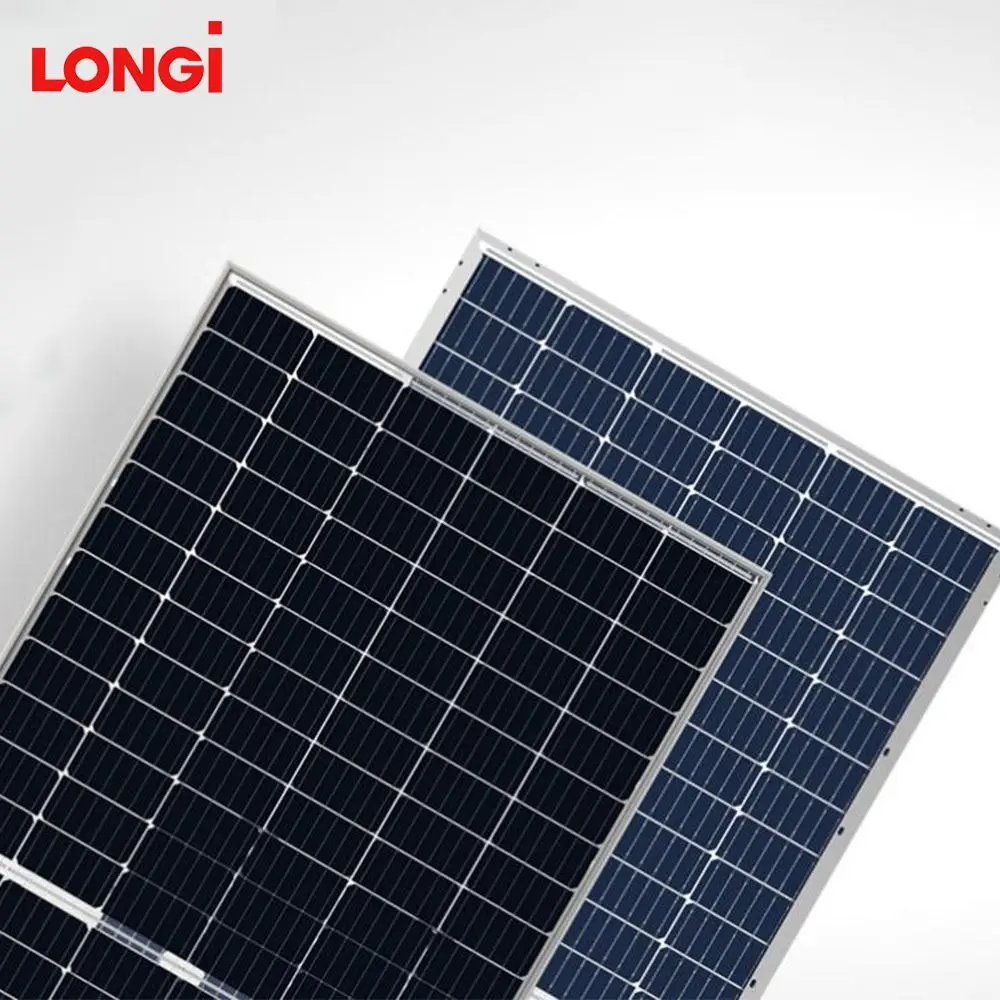
LONGi Solar Panels
LONGi offers high-efficiency residential solar modules designed to make effective use of available roof space. LONGi's Australian range includes the Hi-MO family, with different module technologies and configurations available for residential solar installations.
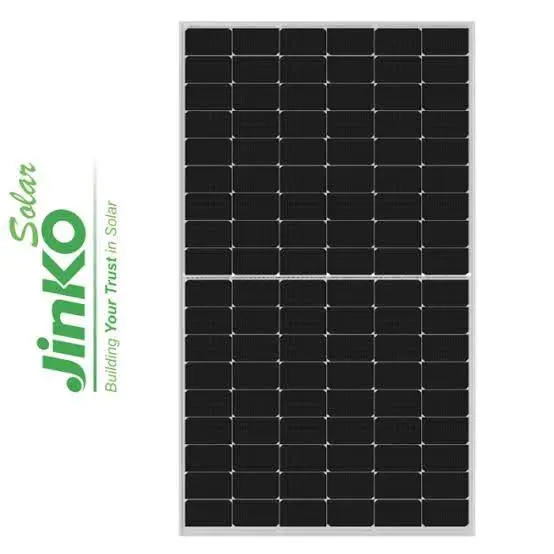
Jinko Solar Panels
JinkoSolar's Tiger Neo range includes N-type solar modules designed for residential applications. Jinko offers a broad range of module options, allowing the selected panel to be matched to the property's roof space and system design.
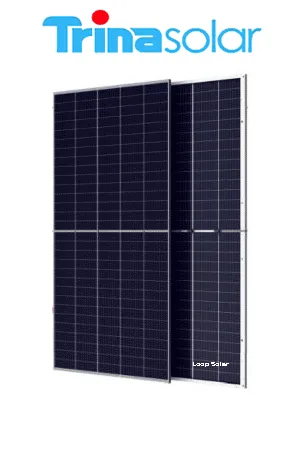
Trina Solar Panels
Trina Solar's residential module range is designed for rooftop applications where efficiency, durability and practical module dimensions matter. Vertex residential products include modern high-efficiency cell technology.
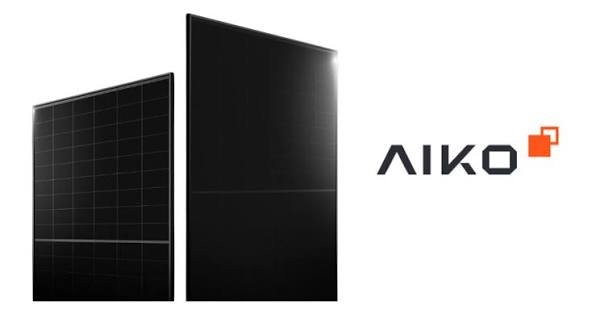
AIKO Solar Panels
AIKO's Neostar residential modules use ABC cell technology and are designed for high-efficiency rooftop solar applications. Current Neostar options include panel wattages suitable for many residential 6.6kW solar system designs.
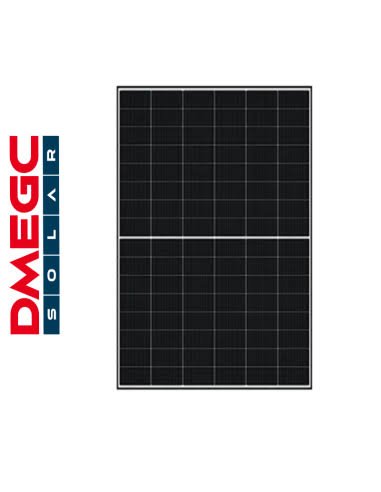
DMEGC Solar Panels
DMEGC Solar offers residential solar modules across a range of power classes and technologies. The selected DMEGC panel can be matched to the available roof area and the requirements of the complete solar system.
More Solar Panel Brands
These featured brands are not the only panel options available through Make My Solar. We work with a broader range of products, allowing our team to select equipment according to your property, system design, budget and current product availability.
More brands are available. The brands featured above are some of the leading solar panel options we commonly offer. Make My Solar works with a broader range of panel brands, and available options depend on your system design, roof layout, electricity requirements and current product availability. Exact panel wattage, model and warranty terms will be confirmed in your solar proposal.
When choosing solar panels for a 6.6kW solar system, panel wattage is only one part of the decision. Efficiency, roof dimensions, orientation, shading, inverter compatibility, product warranties and overall system design should also be considered. Make My Solar offers a range of residential solar panels, including featured brands such as LONGi, Jinko Solar, Trina Solar, AIKO and DMEGC , along with other available options depending on your home's requirements.
How Many Solar Panels Do You Need for a 6.6kW System?
The number of solar panels needed for a 6.6kW solar system depends on the wattage of the panels you choose. Higher-wattage panels can provide similar system capacity with fewer panels.
Panel Wattage vs Panel Count
| Panel Wattage | Approx. Panels | Panel Capacity |
|---|---|---|
| 440W | 15 panels | 6.60kW |
| 450W | 15 panels | 6.75kW |
| 460W | 15 panels | 6.90kW |
| 470W | 15 panels | 7.05kW |
| 475W Higher wattage | 14 panels | 6.65kW |
Panel counts are approximate. The final panel quantity and total system capacity depend on the specific panel model, system design and property requirements.
Why does the number of panels vary?
A 6.6kW solar system is based on the combined rated capacity of its solar panels. Because solar panels are available in different wattages, the number of panels required can vary.
For example, 15 × 440W panels provide exactly 6.6kW of panel capacity, while 14 × 475W panels provide approximately 6.65kW.
Your roof layout, available roof space, shading, panel dimensions, orientation and future energy requirements can all affect the final solar system design.
What Affects the Number of Solar Panels You Need?
Higher-wattage panels can provide more rated capacity per panel, which may reduce the number of panels needed.
The amount and shape of suitable roof space can influence how many panels can be installed on your property.
Roof direction, tilt and shading can affect panel placement and the expected performance of your solar system.
Future electricity needs, such as an EV, pool or increased air-conditioning use, may influence the ideal system design.
If you're comparing how many panels you need for a 6.6kW solar system, the panel wattage is one of the first things to consider. A typical 6.6kW solar system may use around 14 to 15 panels when higher-wattage residential panels are selected. However, the exact number of panels should be determined as part of a complete site-specific solar design.
Is a 6.6kW Solar System Enough for Your Home?
A 6.6kW solar system can be a practical choice for many Australian homes, but the right system size depends on your electricity usage, roof space, location, shading and future energy needs.
A 6.6kW system may suit you if:
-
✓Small to medium household Suitable for homes with moderate electricity consumption.
-
✓Moderate electricity usage A good starting point when your household energy demand is not excessive.
-
✓Good roof space Enough suitable roof area for the required number of solar panels.
-
✓You use electricity during the day Daytime solar generation can help reduce electricity purchased from the grid.
-
✓You want to reduce grid usage Solar can help lower your reliance on electricity from the grid.
You may need more capacity if:
-
⚡Large household More people can mean higher overall electricity consumption.
-
⚡Pool or high-energy equipment Pool pumps and other equipment can significantly increase energy demand.
-
⚡Multiple air conditioners Regular air-conditioning use can increase household electricity consumption.
-
⚡Electric vehicle EV charging can add substantial electricity demand to your home.
-
⚡Electric hot water Electrification of hot water and other appliances may increase your requirements.
-
⚡High or increasing electricity consumption Future plans such as an EV, pool or additional appliances should be considered.
There isn't one solar system size that suits every home. Your electricity consumption, roof characteristics, location, shading, budget and future energy needs should all be considered before choosing a solar system.
Not sure what size solar system you need?
Send us your latest electricity bill and our team can review your usage and help you assess suitable solar system options for your home.
Assess My Solar Options
Complete the form below and we'll get back to you.
Choosing the Right Inverter for Your 6.6kW Solar System
Your inverter is a key part of a residential solar system. It converts the DC electricity produced by your solar panels into AC electricity used by your home. Make My Solar offers a broad range of inverter and energy-storage solutions, with the brands below representing some of the options we commonly sell for Australian homes.
Standard / String Inverter
A string inverter connects groups of solar panels into strings and converts their DC output into AC electricity for use in the home or export to the grid. This is a common approach for residential rooftop solar systems.
Hybrid Inverter
A hybrid inverter combines solar-inverter and battery-inverter functions in one unit. It can be a useful option when battery storage is being installed with the solar system or is an important part of the future system plan.
Solar Inverter & Energy Storage Brands We Offer
We work with a broad range of inverter and energy-storage brands. The following are some of the most commonly requested and popular options we offer for residential solar projects.
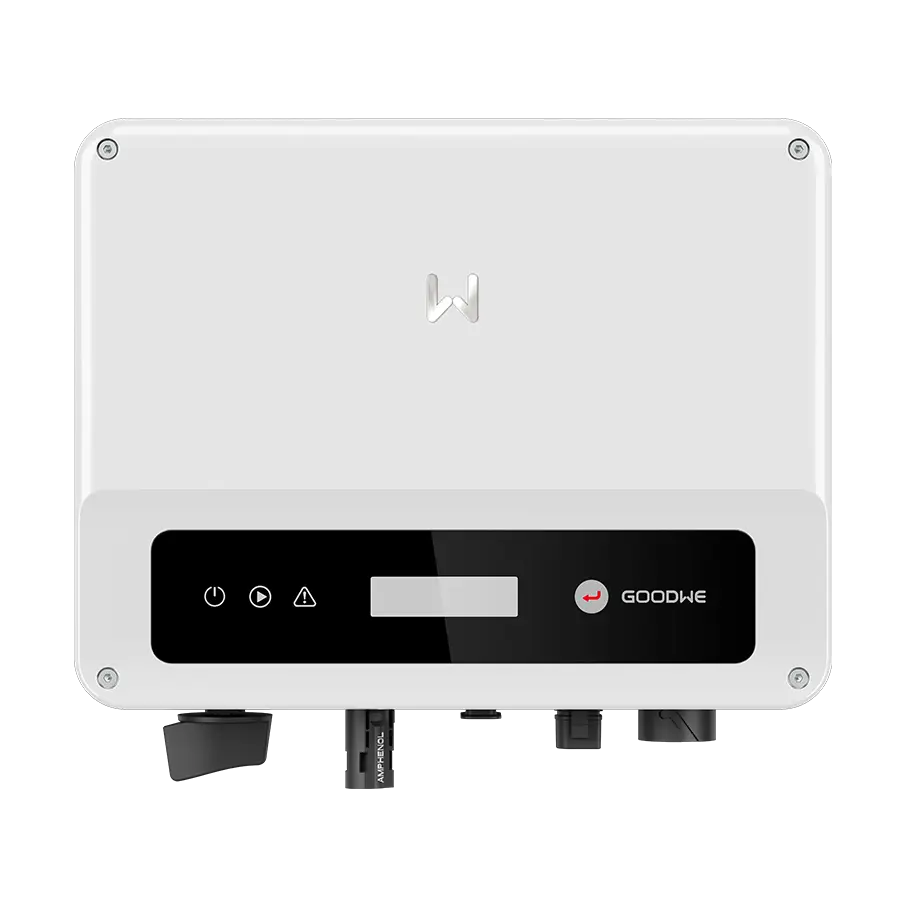
GoodWe
GoodWe offers residential grid-connected and energy-storage inverter solutions across different system sizes and configurations.
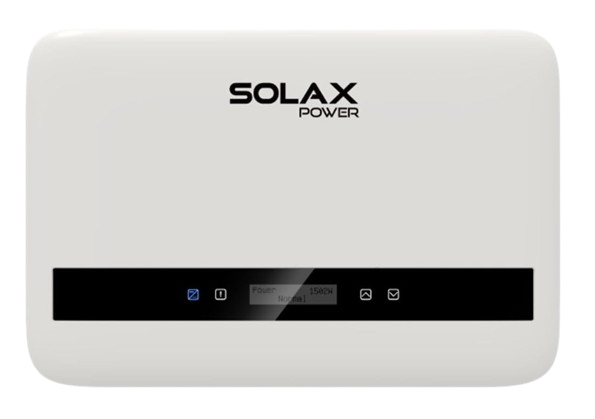
SolaX
SolaX provides residential inverter and energy-storage solutions, including hybrid systems designed around solar and battery integration.
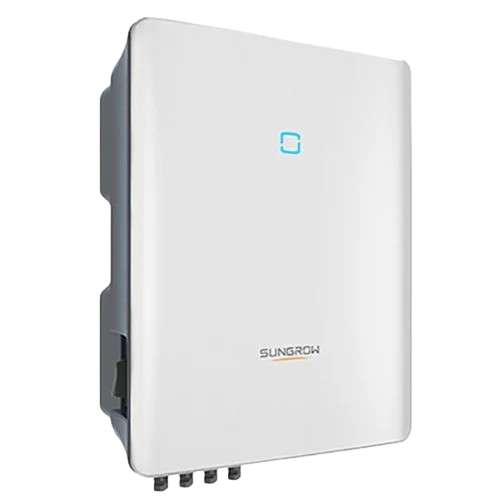
Sungrow
Sungrow offers residential solar inverters and battery solutions across a range of single-phase and three-phase system configurations.
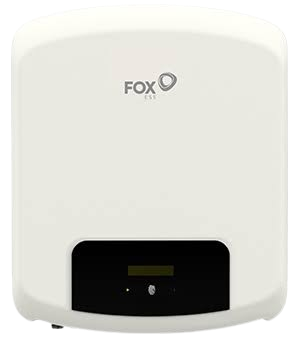
FoxESS
FoxESS offers residential solar inverter and battery solutions designed for homes looking to combine solar generation with energy storage.
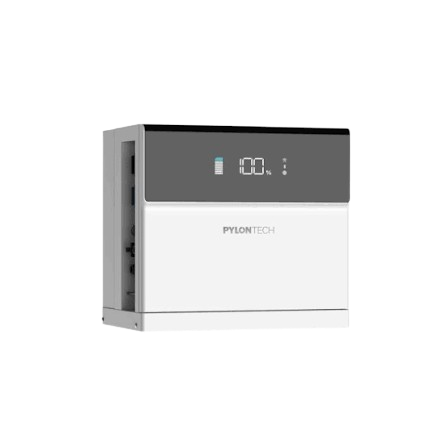
Pylontech
Pylontech is primarily known for residential and energy storage battery solutions that can be paired with compatible inverter systems.
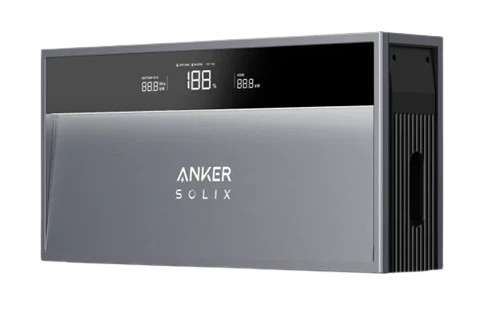
Anker SOLIX
Anker SOLIX provides home energy-storage solutions designed around battery storage, energy management and integrated residential power systems.
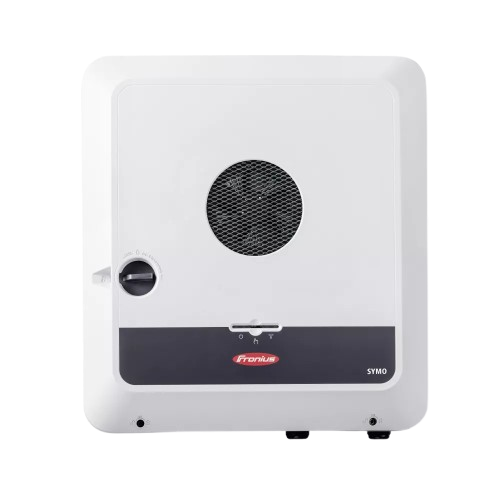
Fronius
Fronius is a long-established inverter manufacturer with residential solutions covering grid-connected solar and battery-ready applications.
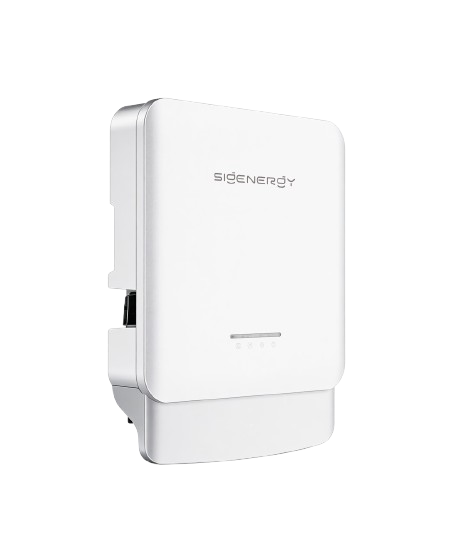
Sigenergy
Sigenergy focuses on integrated residential energy systems combining solar conversion, battery storage and intelligent energy management.
These are not the only brands we offer. Make My Solar works with a broader range of solar inverter, hybrid inverter and battery-storage brands. The exact brand and model recommended for your 6.6kW solar system depends on your panel configuration, roof layout, electricity supply, energy usage, battery plans and current product availability.
Choosing a solar inverter for a 6.6kW solar system involves more than simply matching the inverter to the panel capacity. Your inverter should be selected according to the solar array, household electricity usage, roof configuration, electrical supply, export requirements and whether you plan to install a battery. A standard string inverter can be a practical choice for a straightforward rooftop solar installation, while a hybrid inverter may be more suitable when battery storage is being considered. Make My Solar offers inverter and energy-storage options from brands including GoodWe, SolaX, Sungrow, FoxESS, Pylontech, Anker SOLIX, Fronius and Sigenergy , along with other available brands.
Not Sure Which Inverter Is Right for Your Home?
The right inverter depends on your solar system design, electricity usage, property configuration and future battery plans. Our team can help you compare suitable options for your 6.6kW solar system.
How Much Electricity Does a 6.6kW Solar System Produce?
A 6.6kW solar system can generate a significant amount of electricity for an Australian home, but its output changes throughout the day and across the year. Your actual solar generation depends on sunlight, weather, roof orientation, shading, location and other site conditions.
Australian Government figures indicate that a 6.6kW system can produce different amounts of electricity in different cities. Brisbane, Perth and Adelaide generally have higher average solar yields than Melbourne, while Sydney sits between them.
Solar generation isn't constant
Your panels generate electricity whenever suitable sunlight reaches them. Production normally rises during the morning, reaches its strongest levels around the middle of the day, and then decreases through the afternoon as sunlight falls.
Your 6.6kW system won't produce the same amount every day
Sunlight
More usable sunlight generally means more solar electricity. Cloudy and heavily overcast conditions can reduce production.
Weather
Clouds, rain and other weather conditions can change the amount of sunlight reaching your solar panels.
Roof orientation
The direction your panels face affects how much sunlight they receive throughout the day.
Roof angle
Panel tilt and roof pitch influence how effectively the panels can receive sunlight at your property.
Shading
Trees, nearby buildings and other obstructions can reduce sunlight reaching part or all of a solar array.
Location
Solar conditions vary across Australia, which is why a 6.6kW system can produce different amounts in Sydney and Brisbane.
Season
Solar production is generally higher during sunnier months and lower during periods with fewer hours of usable sunlight.
System design
Panel selection, inverter configuration and other system characteristics can also influence actual generation.
6.6kW Solar Generation Across Australia
Solar generation varies between Australian cities because each location receives different amounts of usable sunlight. The figures below provide an indicative long-term average for a 6.6kW system based on typical city-level solar generation data.
Brisbane
Brisbane has strong solar resources and is among the higher generation locations in this comparison.
Sydney
A well-designed 6.6kW system in Sydney can provide substantial daytime solar generation throughout the year.
Perth
Perth's strong solar resource results in a relatively high average generation estimate in this comparison.
Adelaide
Adelaide has strong solar conditions and can achieve a high average generation level from a well-positioned system.
Melbourne
Melbourne has a lower average solar yield than the northern locations shown here, but a 6.6kW system can still provide substantial household generation.
About these figures: The daily figures are indicative long-term averages calculated from typical Australian Government city-level solar generation values for 1kW of solar capacity, multiplied by 6.6kW. Annual figures are calculated from the corresponding daily averages. Actual output can be higher or lower depending on your property, weather, system design, shading and other conditions.
6.6kW Solar System Generation in Sydney and Brisbane
If you're considering a 6.6kW solar system in Sydney, the Australian Government's typical long-term average generation figure indicates around 26.4 kWh per day for a 6.6kW system before site-specific factors are taken into account. In Brisbane, the corresponding indicative figure is around 27.7 kWh per day. These figures are useful for comparing locations, but they should not be treated as a guarantee of what an individual home's solar system will produce.
Your actual 6.6kW solar system output depends on your property's roof orientation, roof angle, shading, panel selection, local weather and the way the system is designed and installed. A site-specific solar assessment is therefore the best way to estimate expected annual generation for your home.
How Much Does a 6.6kW Solar System Cost?
The cost of a 6.6kW solar system in Australia depends on more than just the number of solar panels. Panel selection, inverter quality, roof type, installation complexity, electrical requirements, location and optional battery storage can all affect the final system price.
Why isn't there one fixed 6.6kW solar system price?
Every property is different. A straightforward installation on a suitable roof can have very different requirements from a home with difficult roof access, shading, switchboard upgrades or additional electrical work. That's why a proper solar quote should consider your property and energy needs rather than simply advertising the cheapest package.
What Affects the Cost of a 6.6kW Solar System?
Understanding the main cost factors helps you compare solar quotes more accurately and avoid choosing a system based on price alone.
Panel Quality
Different solar panel brands, technologies, efficiency ratings and product specifications can have different prices. The panel choice can also affect available roof space and overall system performance.
Inverter
The inverter converts the electricity generated by your solar panels into usable AC electricity for your home. String, hybrid and premium inverter options can affect the overall cost of a 6.6kW solar system.
Roof Type & Installation
Tile and metal roofs can have different installation requirements. Roof access, multiple roof sections, pitch, height and other installation conditions can also influence labour and installation costs.
Switchboard
Some properties may require switchboard modifications or other electrical work before a solar system can be installed. The required work depends on the existing electrical setup and property requirements.
Location
Installation conditions, travel requirements, local network requirements and property characteristics can vary between locations, including Sydney, Brisbane and other parts of Australia.
Battery Storage
Adding a home solar battery significantly changes the total investment. Battery size, brand, inverter compatibility and installation requirements all need to be considered separately from the cost of the solar panels.
What Should You Look for Besides Price?
When comparing 6.6kW solar system quotes, the lowest upfront price does not necessarily represent the best long-term value. Look at the equipment, installation and support included in the proposal.
Cheap System
Focuses primarily on the lowest upfront price.
-
!Limited equipment information The cheapest quote may not provide enough detail about the specific products being installed.
-
!Warranty differences Panel and inverter warranty terms can vary significantly between products and manufacturers.
-
!Installation quality matters A low price should not come at the expense of workmanship, electrical safety or installation standards.
-
!Limited after-sales support Check who will help if your inverter, monitoring system or other equipment needs attention later.
Quality System
Looks at long-term value, performance and support.
-
✓Panel warranty Check the product warranty and performance warranty offered by the panel manufacturer.
-
✓Inverter warranty Compare the inverter manufacturer, warranty terms and available support.
-
✓Quality installation Good installation practices are essential for safety, reliability and long-term system performance.
-
✓Australian standards Your solar installation should be designed and installed in accordance with applicable Australian requirements.
-
✓System monitoring Monitoring can help homeowners understand solar generation and identify potential performance issues.
-
✓After-sales support Consider the support available after installation, including assistance with system performance and equipment.
-
✓Installer experience Experience with residential solar installations can make a difference when dealing with different roof and property conditions.
At Make My Solar, we believe comparing a 6.6kW solar system cost should be about more than finding the lowest number on a quote. The right system should balance equipment quality, installation, performance, warranties, monitoring and ongoing customer support.
The cost of a 6.6kW solar system in Australia varies from property to property. For homeowners in Sydney, Brisbane and other Australian locations, the most useful way to compare quotes is to look at the complete system and installation rather than the headline price alone. Your final solar quote should take into account your roof, electricity usage, selected panels and inverter, installation requirements and whether you want to add battery storage.
How Much Can a 6.6kW Solar System Save?
A 6.6kW solar system can reduce the amount of electricity your home needs to purchase from the grid, but there is no single savings figure that applies to every household. Your potential solar savings depend on how much electricity you use, when you use it, your electricity rates, solar generation, self-consumption, feed-in tariff, battery storage and location.
Electricity Usage
The more electricity your household uses, the more opportunity there may be to use solar generation instead of purchasing electricity from the grid.
Electricity Rates
Your electricity plan and the price you pay for imported electricity affect the value of the solar energy you use in your home.
Solar Generation
Solar production varies with location, roof orientation, shading, system design, weather and the amount of sunlight available throughout the year.
Self-Consumption
Using solar electricity directly in your home can have a different value from exporting unused generation back to the electricity grid.
Feed-in Tariff
Electricity exported to the grid may receive a feed-in tariff. The rate varies between electricity retailers, plans and locations.
Battery & Location
A battery can change when solar energy is used, while location affects solar generation and the electricity market conditions available to your property.
See an indicative estimate for your home
Enter a few details about your electricity bill and location. We'll use them to provide an indicative estimate — not a guaranteed saving.
Calculate your potential solar savings
Use your recent electricity bill where possible for a more useful starting estimate.
Enter your bill details to see your indicative result.
Get a Personalised 6.6kW Solar Savings Estimate
Want a more accurate idea of how much a 6.6kW solar system could reduce your electricity bills? Send us your latest electricity bill and our team can assess your usage, location and solar requirements to help you understand your potential savings.
Premium Solar Technology
Carefully selected Sunpower panels and Fronius inverter technology for customers looking for premium performance, reliability and long-term value.
Sunpower
Sunpower is regarded as the world's leading solar cell & panel manufacturer. Outside US, it is formally known as Maxeon Technologies & proud of the longest warranty up to 40 years.
Fronius
Fronius is considered the world's leading string inverter manufacturer. The failure rate of Fronius Inverters is almost negligible.
Fronius GEN24 Primo 5.0 kW Single-Phase 2MPPT Inverter
Can be converted to Hybrid version with a firmware update
Can provide backup power up to 2.4 kW without a battery during the day
5 Year Standard Warranty + 5 Year Parts Warranty
Weight 15.4 Kg
Active cooling technology
Manufactured in Austria
Remote monitoring available via Solar.web
Max efficiency 97.2%
Have a support office in Melbourne, Aus
Smart Solar. Exceptional Value.
Reliable Jinko Solar panels combined with GoodWe inverter technology, delivering excellent performance, smart monitoring and outstanding value for Australian homes.
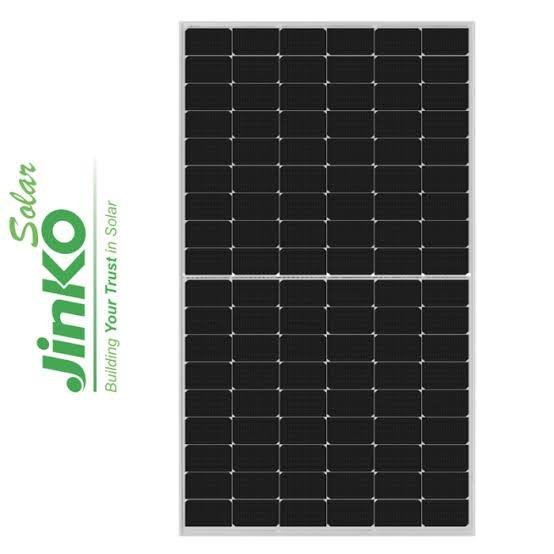
Jinko Solar
Jinko Solar is the largest Chinese solar panel manufacturer by volume and produces a wide range of cost-effective and reliable panels. The Jinko engineers work closely with the Australian UNSW solar research center of excellence.
GoodWe
GoodWe, established in 2010, is a large, well-known Chinese inverter manufacturer that offers a vast range of cost-effective solar and hybrid inverters. Taking home top industry awards, GoodWe boasts the coveted title of 'Top Inverter Brand' for Australia and other countries in 2017 – 2021, awarded by EuPD Research.
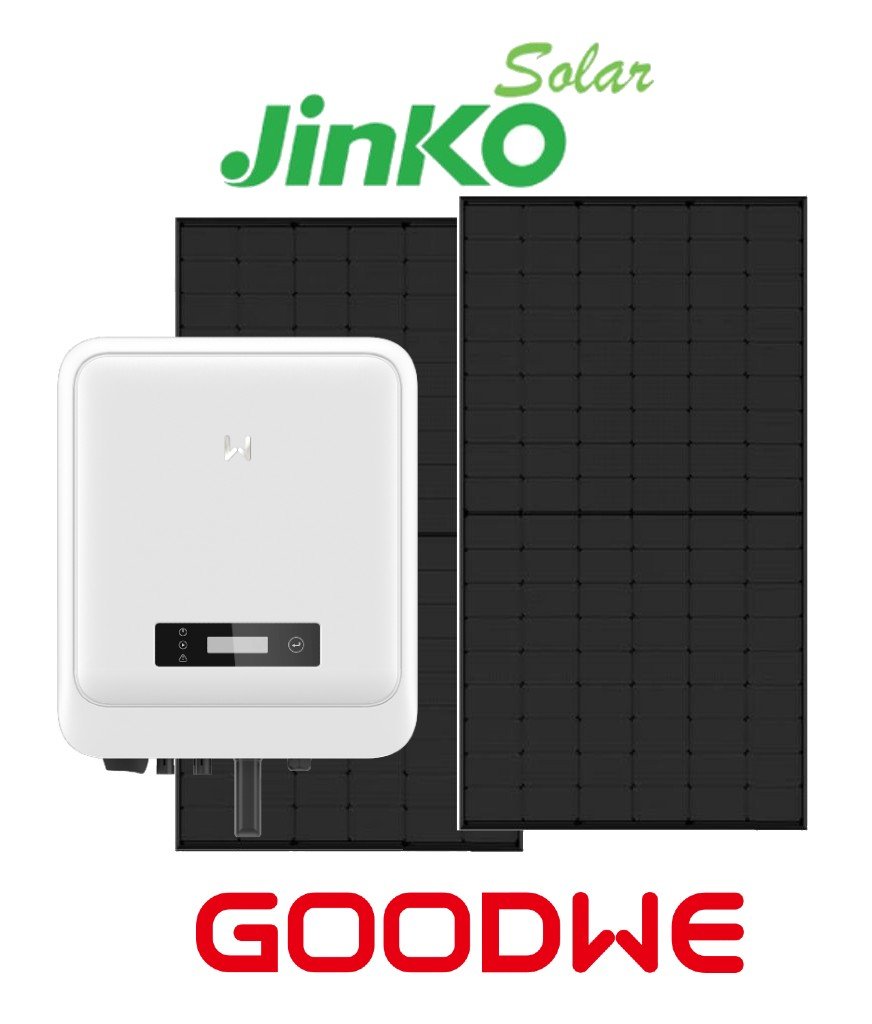
Jinko Tiger NEO 440 Watts
Tier 1 Panel
Panel weighs 22 Kg
Module efficiency 22.53%
Power output tolerance -3/+3%
TOPCon Cell technology
25 Years of Product & 30 Years of Output Warranty
Temperature Co-efficiency -0.29% per degree Celsius
GoodWe DNS Series – GW5000D-NS Single Phase 2 MPPT Inverter
Smart Control & Monitoring
Superb Safety & Reliability
Optimal Generation
Friendly & Thoughtful Design
Reliable Solar. Smart Investment.
High-quality LONGi solar panels paired with Sungrow inverter technology, giving Australian homeowners a reliable solar solution at an attractive price.
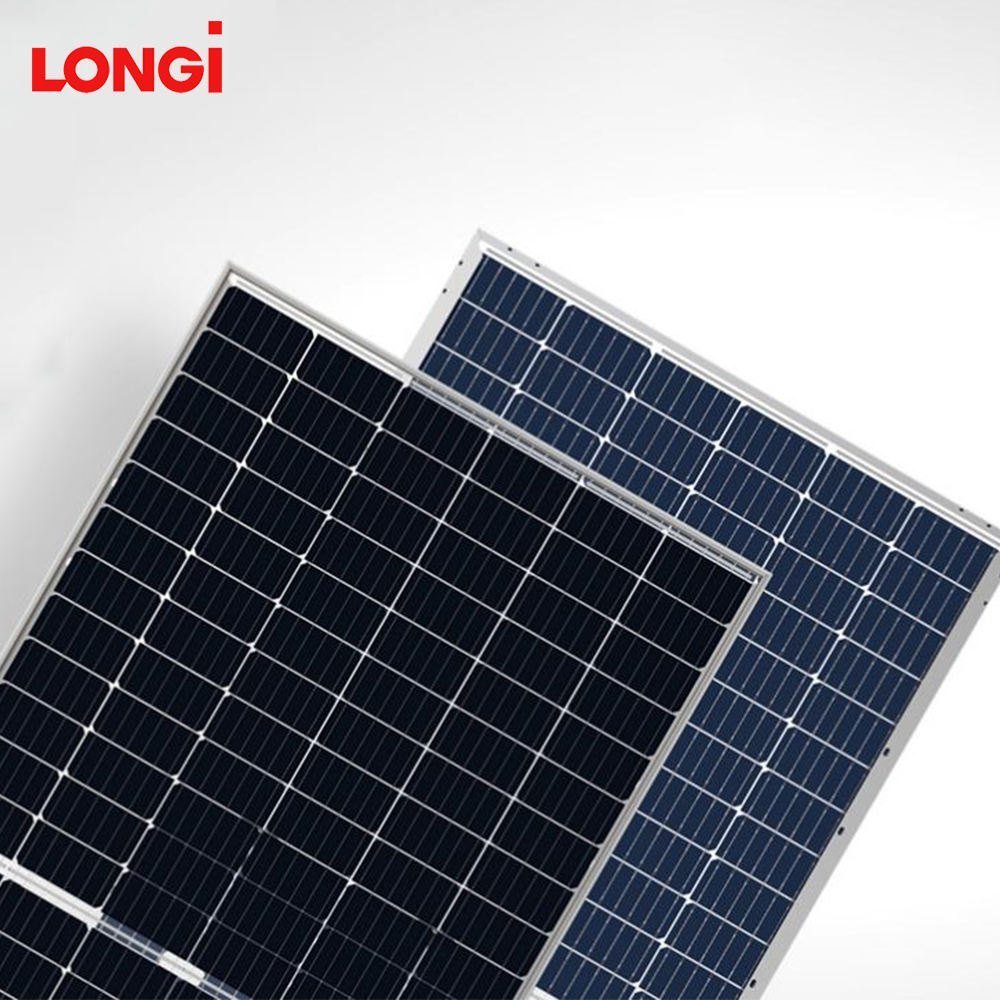
LONGi Solar
LONGi Solar has grown rapidly over the last few years to become one of the largest Chinese solar panel manufacturers and the world's largest monocrystalline cell manufacturer. LONGi produces a wide range of cost-effective and reliable panels which only use monocrystalline cells.
Sungrow
Founded in 1997 by a university professor, Sungrow is one of the largest suppliers of solar inverters globally and a leading Chinese inverter manufacturer. It has been charted the number 1 inverter in Australia for last three years.
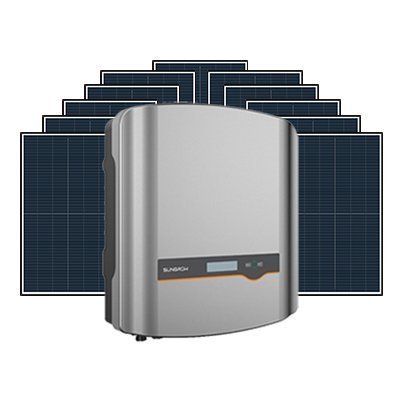
Longi Hi-MO6 440 Watts Panel
Tier 1 Panel
Panel weighs 20.8 Kg
Module efficiency 22.5%
Power output tolerance -5/+5%
Monocrystalline HPBC cell technology
25 Years of Product & Output Warranty
Temperature Co-efficiency -0.29% per degree Celsius
Sungrow SG Series – SG5.0RS – 5.0 kW Single Phase 2MPPT Inverter
Need Help Choosing?
Our solar experts can help you select the perfect 6.6kW package for your home based on your energy needs and budget.
SPEAK TO AN EXPERT →