Business Hours: Monday – Saturday, 9:00 AM – 6:00 PM
1800 560 779
10kW RESIDENTIAL SOLAR SYSTEMS

10kW Solar System for Australian Homes

Power your home with a high-capacity 10kW solar system designed for Australian households with higher energy demands.

A 10kW solar system can be a strong choice for larger homes, multiple air conditioners, swimming pools, EV charging, home offices and households with high daytime electricity usage.

+ Planning ahead? A 10kW system can also provide a strong foundation for future battery storage, helping you make more of your solar energy at home.
✓ Australian Homes
✓ Quality Solar Products
✓ Tailored System Design
About Our Products

Sun Synergy PTY LTD T/A Make My Solar

We are proud to offer a comprehensive range of products for a 10 kW Solar system. We have access to different country-make panels with a variety of power outputs. All products offered by us are listed in the CEC-approved list with their model numbers explicitly mentioned.

100% CEC Approved Components
10kW SOLAR SYSTEM GUIDE

10kW Solar System at a Glance

Understand the key components of a 10kW solar system for Australian homes, from panel capacity and roof space to inverters, battery storage and installation.

SYSTEM SIZE

10kW

A high-capacity solar system designed for homes with higher electricity requirements.

PANEL COUNT

Depends on Panel Wattage

The number of solar panels required depends on the wattage of the panels selected for your system.

ROOF SPACE

Depends on Panel Size

Required roof area depends on panel dimensions, orientation, roof layout and available space.

INVERTER

System Design Dependent

The inverter is selected according to the system design, electrical requirements and installation.

BATTERY

Battery Ready

A 10kW solar system can be designed with battery storage for greater energy flexibility.

INSTALLATION

Residential Rooftop

Designed for residential rooftop solar installations across suitable Australian homes.

REBATES & INCENTIVES

Applicable Incentives

Eligible solar systems may qualify for applicable Australian incentives or rebates, subject to current eligibility requirements and system specifications.

THE RIGHT SYSTEM MATTERS

More solar capacity isn't always the right answer.

A 10kW system isn't automatically the right choice simply because it produces more electricity. The right solar system depends on your electricity usage, available roof space, electrical setup and future energy requirements.

At Make My Solar, we focus on designing a solar solution around how your home actually uses energy — rather than simply choosing the largest system available.

Looking at a 10kW solar system for your Australian home? System size, panel selection, roof layout, inverter configuration and battery options should all be considered together when planning a residential solar installation.

10kW SOLAR PANEL GUIDE

How Many Solar Panels Do You Need for 10kW?

The number of 10kW solar panels required depends on the wattage of each panel. Higher-wattage panels can achieve a 10kW system with fewer panels, while lower-wattage panels require more panels.

PANEL CONFIGURATIONS

Approximate panels for a 10kW solar system

Up to 475W
Panel Wattage Approx. Panels System Capacity
400W 25 panels 10.00kW
415W 25 panels 10.375kW
440W 23 panels 10.12kW
450W 23 panels 10.35kW
i

These are approximate configurations based on nominal panel wattage. The final number and system size will depend on the specific panels selected and the system design.

HOW IT WORKS

Panel wattage determines panel count

A 10kW solar panel system does not necessarily require a fixed number of panels. The total capacity is determined by adding the rated output of the individual solar panels.

What else affects your 10kW solar panel system?

Roof Space

Available roof area can determine how many panels can physically be installed.

Panel Dimensions

Physical panel size matters when planning the layout of a residential roof.

Orientation

Roof direction and panel orientation can affect the available installation layout.

Shading

Trees, buildings and other obstructions should be considered when planning the system.

Panel Efficiency

Higher-efficiency panels can provide more power from a given roof area.

System Layout

Roof sections, setbacks and available installation areas can influence the final panel arrangement.

So, how many panels are needed for 10kW solar?

In simple terms, a 10kW solar panel system can use different numbers of panels depending on their individual wattage. For example, a system using 400W panels would require approximately 25 panels, while a system using 475W panels would require approximately 22 panels to exceed 10kW of total panel capacity.

However, panel count is only one part of the design. Roof space, panel dimensions, orientation, shading, panel efficiency and the overall system layout all need to be considered before deciding which 10kW solar system is suitable for your home.

10kW SOLAR SYSTEM OUTPUT

How Much Electricity Does a 10kW Solar System Produce?

Understanding 10kW solar system output is about more than the system's 10kW rating. Solar generation changes throughout the day and depends on your location, weather, roof orientation, shading and overall system conditions.

IMPORTANT TO KNOW

A 10kW solar system does not produce 10kW continuously.

The 10kW rating describes the nominal capacity of the solar panel system under specified conditions. Actual solar generation rises and falls throughout the day as sunlight changes.

TYPICAL DAILY GENERATION PATTERN

Solar generation follows the sun

Illustrative generation pattern
SOLAR GENERATION
Morning Generation begins
Late Morning Output increases
Midday Potential peak
Afternoon Output decreases
Evening Little or no solar
Morning Midday Evening
↗

This graph is illustrative. It shows the general pattern of solar generation during a day, not guaranteed output or a specific home's generation profile.

UNDERSTANDING 10kW SOLAR PRODUCTION

Solar generation changes throughout the day

A 10kW solar system generates electricity when sunlight reaches the solar panels. In the morning, generation starts relatively low and increases as the sun rises higher. Around the middle of the day, solar generation can reach its highest level before gradually falling through the afternoon.

By evening, there is little or no solar generation because there is insufficient sunlight reaching the panels.

This means the answer to “how much power does a 10kW solar system produce?” cannot be represented by one constant figure. Actual 10kW solar production depends on the conditions at the property and changes from day to day.

WHAT AFFECTS OUTPUT?

Factors that influence 10kW solar system generation

Location

Solar resources vary between Australian regions, affecting potential generation.

Weather

Clouds, rain and changing weather conditions can reduce solar generation.

Roof Orientation

Roof direction and panel orientation influence how sunlight reaches the panels.

Shading

Trees, buildings and other obstructions can reduce sunlight reaching the panels.

Panel Performance

Panel efficiency, temperature and operating conditions affect actual energy production.

System Design

Inverter configuration, system layout and other electrical factors influence delivered energy.

THE IMPORTANT TAKEAWAY

Your 10kW solar system output depends on your home.

There is no single daily or annual generation figure that applies to every 10kW solar installation. Location, roof orientation, shading, weather, panel performance and system design all affect the amount of electricity generated.

At Make My Solar, the goal is to assess your property and energy requirements so your 10kW solar system is designed around your actual conditions rather than relying on a generic production estimate.

Solar panel options

Solar Panels for a 10kW Solar System

Choosing the right solar panels is an important part of designing a 10kW solar system for an Australian home. Make My Solar offers a range of residential solar panel brands and panel wattages, allowing the system to be designed around your roof space, electricity usage, orientation, shading and overall solar system requirements.
☀
10kW Solar Panel Options Panel wattage and the number of panels are selected according to the complete 10kW system design.
✓
Up to 475W Panels We offer panel options up to 475W, helping make effective use of available residential roof space.
★
Designed for Your Home The right 10kW solar panel configuration depends on your roof, energy use and complete system design.
Featured brand

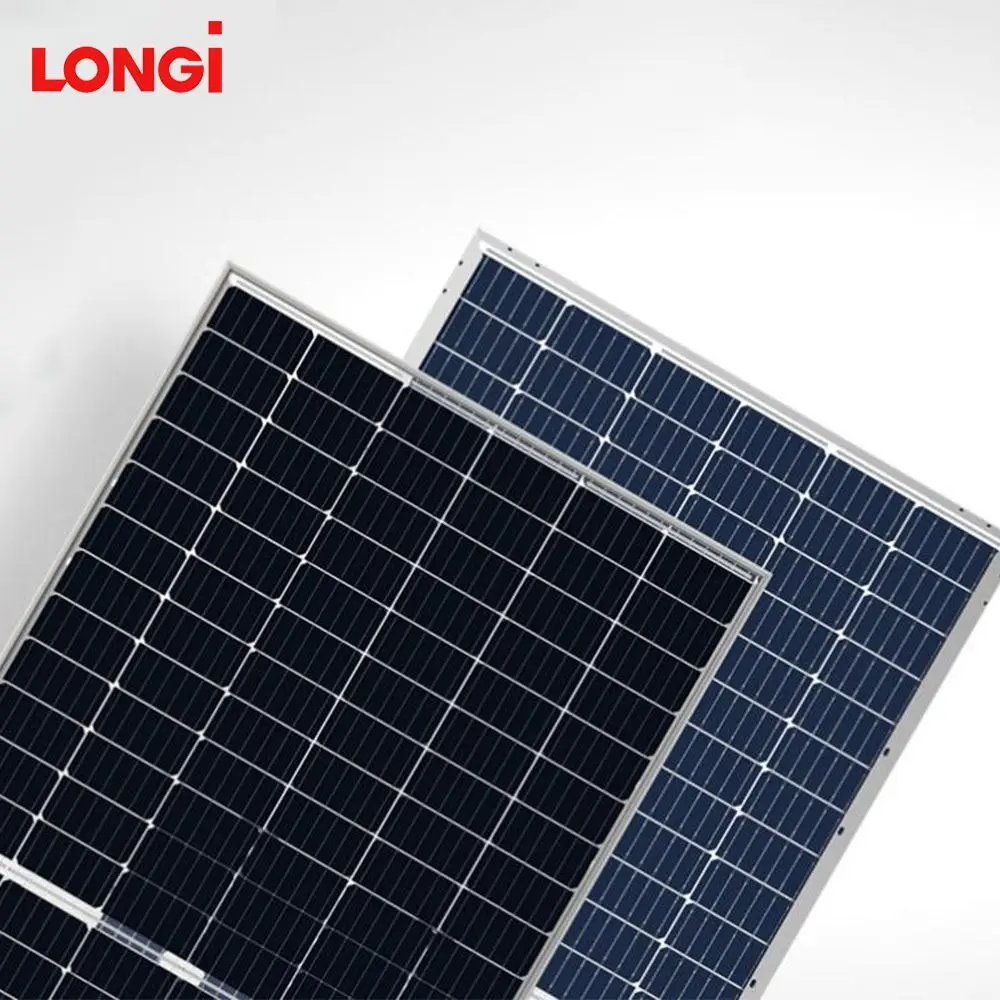
LONGi Solar Panels

Residential solar panel options

LONGi offers residential solar modules designed to make effective use of available roof space. Different LONGi Hi-MO options can be considered when designing a 10kW solar panel system, with the final panel model selected according to the property's roof layout and system requirements.
Panel wattage Up to 475W*
Range Hi-MO*
✓
Product warranty Depends on the selected LONGi model*
Featured brand

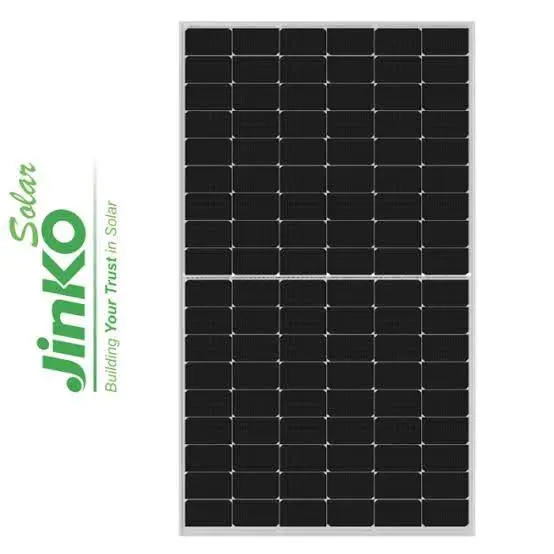
Jinko Solar Panels

Tiger Neo residential range

JinkoSolar's Tiger Neo range includes N-type solar modules designed for residential applications. Jinko panel options can be considered for 10kW solar systems, with panel selection matched to available roof space and the wider system design.
Panel wattage Up to 475W*
Technology N-type*
✓
Product warranty Depends on the selected Jinko model*
Featured brand

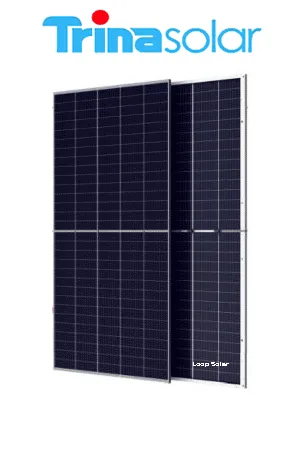
Trina Solar Panels

Vertex residential range

Trina Solar's residential module range is designed for rooftop applications where efficiency, durability and practical module dimensions are important. Vertex residential products can be considered when designing a 10kW solar panel system for an Australian home.
Panel wattage Up to 475W*
Range Vertex*
✓
Warranty Depends on the selected Trina model*
High efficiency

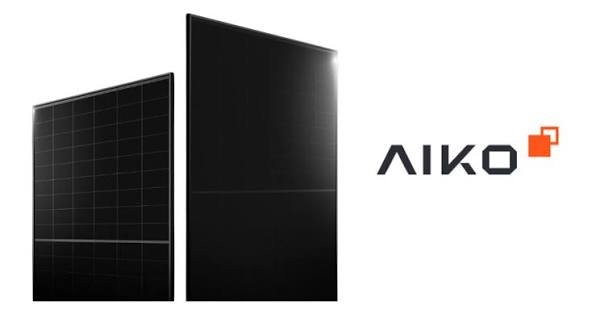
AIKO Solar Panels

Neostar residential range

AIKO's Neostar residential modules use ABC cell technology and are designed for high-efficiency rooftop solar applications. Available panel wattages can be considered for different 10kW solar system designs, particularly where roof space is an important consideration.
Panel wattage 440–475W*
Technology ABC
✓
Warranty 25-year product / 30-year performance*
Featured brand

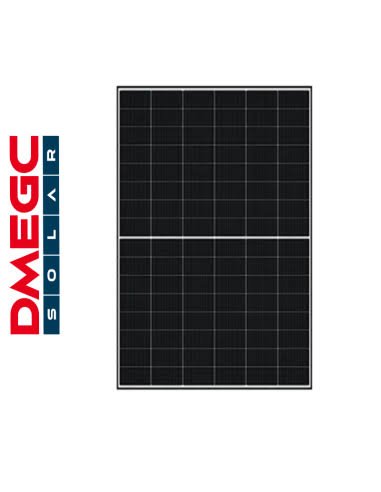
DMEGC Solar Panels

Residential solar panel range

DMEGC Solar offers residential solar modules across different power classes and technologies. The selected DMEGC panel can be matched to available roof area and the requirements of the complete 10kW solar system.

Panel wattage Up to 475W*
Technology N-type*
✓
Product warranty Depends on the selected DMEGC model*
More options

More Solar Panel Brands

Additional options available

The brands shown here are not the only solar panel options available through Make My Solar. Additional products may be considered based on your property's roof layout, electricity requirements, system design, budget and current product availability.

Selection Design based
Availability Current stock*
✓
Exact model confirmed Product and warranty details are provided with your proposal.
ⓘ

Panel availability can vary. The brands featured above are some of the residential solar panel options we commonly offer. Make My Solar works with a broader range of products, and the exact panel model depends on your roof layout, electricity requirements, system design and current product availability. Exact panel wattage, model and warranty terms will be confirmed in your solar proposal.

When choosing solar panels for a 10kW solar system, panel wattage is only one part of the decision. The number of panels, roof dimensions, panel efficiency, roof orientation, shading, inverter compatibility, electrical requirements and overall system design should all be considered. A 10kW solar panel system can be configured using different panel wattages. For example, higher-wattage panels can reduce the number of panels required, but the best configuration depends on the actual property and available roof space. Make My Solar offers residential solar panels from brands including LONGi, Jinko Solar, Trina Solar, AIKO and DMEGC, together with other available options depending on your home's requirements.

10kW solar inverter options

Choosing the Right Inverter for Your 10kW Solar System

The inverter is one of the most important components of a 10kW solar system. It converts the DC electricity generated by your solar panels into AC electricity used by your home. The right 10kW solar inverter depends on your panel configuration, electricity usage, electrical supply, roof layout, battery plans and the overall design of your solar installation.

⚡
Match the inverter to your system Inverter size and configuration should suit your solar panels, electrical supply and complete 10kW system design.
🔋
Battery-ready options Hybrid inverter solutions can be considered when battery storage is part of your current or future energy plans.
✓
Australian requirements matter The selected inverter should meet applicable Australian approvals and network requirements for the installation.
☀

Standard / String Inverter

Straightforward solar systems

A string inverter connects groups of solar panels into strings and converts their DC output into AC electricity for use in the home or export to the grid. This can be a practical approach for many residential 10kW solar system designs, particularly where roof sections have similar conditions.

Suitable for many straightforward residential rooftop solar designs
Can provide a simple and practical inverter configuration
Can work well where roof sections have similar orientation and shading conditions
🔋

Hybrid Inverter

Solar + battery capability

A hybrid inverter combines solar-inverter and battery-inverter functions in one unit. It can be a useful option for a 10kW solar system with battery storage, or where adding a home battery is an important part of the future energy plan.

Designed to manage solar generation and compatible battery storage
Useful when adding solar batteries is part of your energy plan
Can provide a more integrated pathway for solar and battery storage

Solar Inverter & Energy Storage Brands We Offer

We work with a broad range of solar inverter, hybrid inverter and energy-storage brands. The following are some of the options we commonly offer for residential solar projects, with the final model selected according to the system design and property requirements.
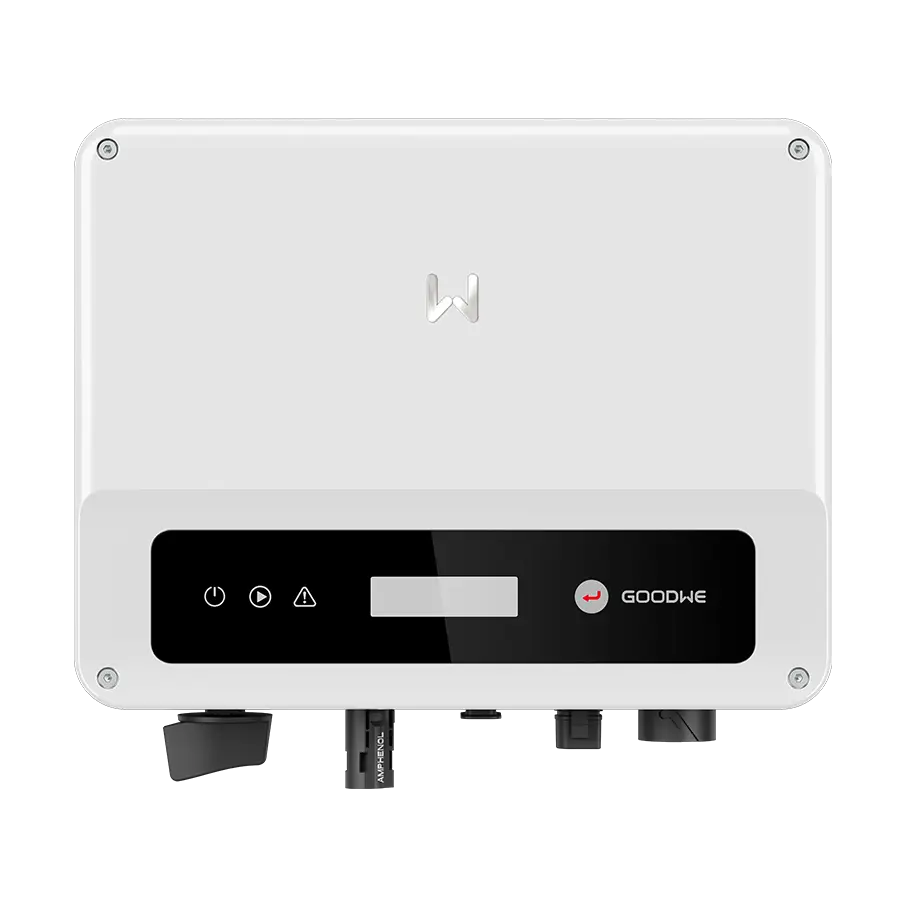
GoodWe solar inverter for a 10kW solar system
Popular choice

GoodWe

Solar inverter & storage

GoodWe offers residential grid-connected and energy-storage inverter solutions across different system sizes and configurations, including options that can be considered for residential 10kW solar installations.
Residential solutions
→
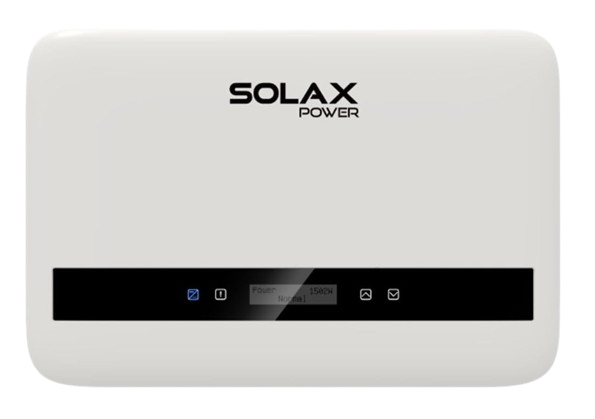
SolaX solar inverter for a 10kW solar system
Popular choice

SolaX

Solar inverter & hybrid

SolaX provides residential inverter and energy-storage solutions, including hybrid systems designed around solar generation and battery integration for suitable home energy systems.
Solar + battery
→
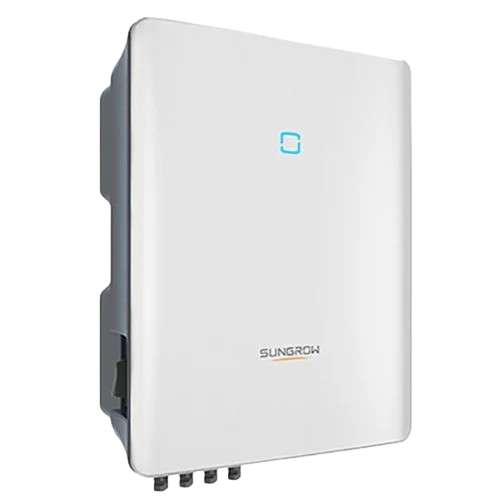
Sungrow solar inverter for a 10kW solar system
Popular choice

Sungrow

Inverter & battery solutions

Sungrow offers residential solar inverters and battery solutions across a range of single-phase and three-phase configurations, depending on the property's electrical requirements.
Residential systems
→
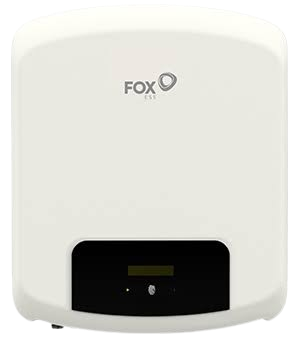
FoxESS solar inverter and battery storage for a 10kW solar system
Featured

FoxESS

Inverter & energy storage

FoxESS offers residential solar inverter and battery solutions designed for homes looking to combine solar generation with energy storage.
Energy storage
→
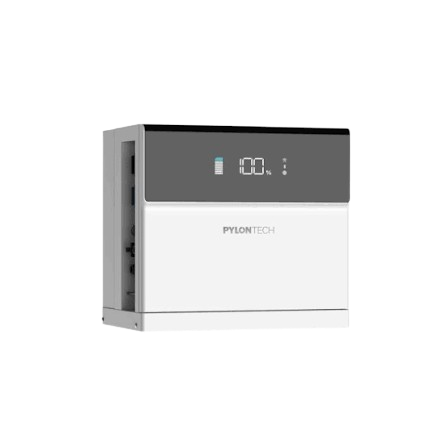
Pylontech battery storage for a 10kW solar system
Battery

Pylontech

Battery storage

Pylontech is primarily known for residential and energy-storage battery solutions that can be paired with compatible inverter systems as part of a suitable home solar and battery design.
Battery solutions
→
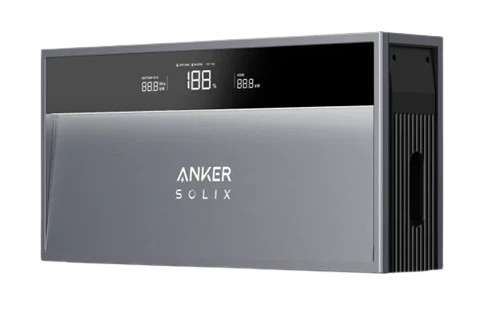
Anker SOLIX home energy storage for a 10kW solar system
Storage

Anker SOLIX

Home energy storage

Anker SOLIX provides home energy-storage solutions designed around battery storage, energy management and integrated residential power systems.
Home energy
→
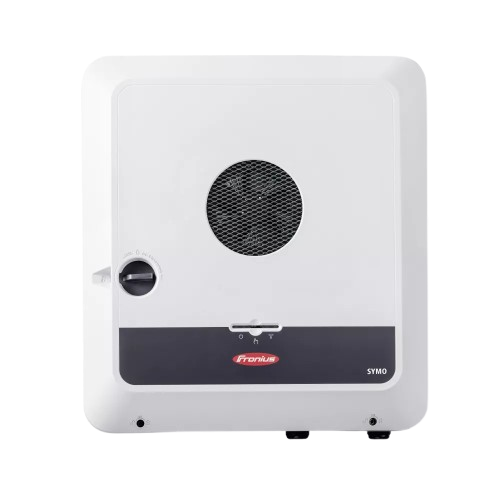
Fronius solar inverter for a 10kW solar system
Premium

Fronius

Premium solar inverter

Fronius is a long-established inverter manufacturer with residential solutions covering grid-connected solar and battery-ready applications.
Premium solutions
→
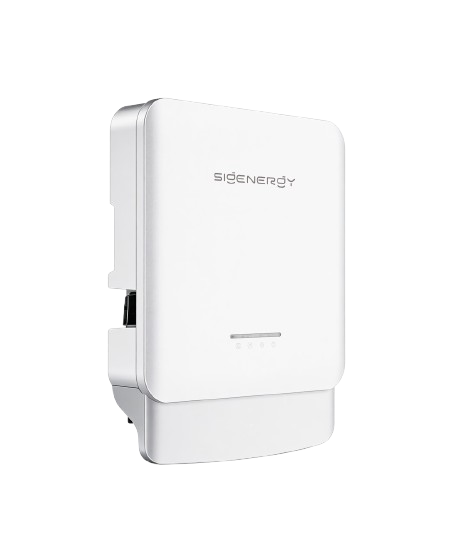
Sigenergy smart energy system for a 10kW solar system
Smart energy

Sigenergy

Smart energy system

Sigenergy focuses on integrated residential energy systems combining solar conversion, battery storage and intelligent energy management.

Smart energy
→
ⓘ

These are not the only brands we offer. Make My Solar works with a broader range of solar inverter, hybrid inverter and battery-storage brands. The exact brand and model recommended for your 10kW solar system depends on your panel configuration, roof layout, electricity supply, energy usage, battery plans and current product availability.

Choosing a solar inverter for a 10kW solar system involves more than simply matching the inverter to the panel capacity. The inverter should be selected according to the solar array, household electricity usage, roof configuration, electrical supply, export requirements and whether you plan to install a battery. A suitable 10kW solar inverter helps convert the electricity generated by your solar panels into usable power for your home. For a straightforward rooftop installation, a string inverter may be suitable, while a hybrid inverter can be considered when battery storage is part of the current or future system plan. Make My Solar offers inverter and energy-storage options from brands including GoodWe, SolaX, Sungrow, FoxESS, Pylontech, Anker SOLIX, Fronius and Sigenergy , along with other available brands.

Not Sure Which Inverter Is Right for Your 10kW Solar System?

The right inverter depends on your solar panel configuration, electricity usage, property layout, electrical supply and future battery plans. Make My Solar can help you compare suitable inverter and energy-storage options for your home.

10kW Solar Pricing Guide

How Much Does a 10kW Solar System Cost?

The 10kW solar system price in Australia can vary significantly from one property to another. Instead of relying on a random fixed price, your final quote should reflect the panels, inverter, roof, electrical requirements, installation conditions and the way the system is designed for your home.

A 10kW Solar System Cost Is Property-Specific

Two homes can both need a 10kW solar system but receive very different quotes. The difference can come from panel quality, inverter selection, roof access, installation complexity, switchboard requirements, electrical work, location and system design. Applicable rebates and incentives can also affect the amount a customer pays.

Why we don't show a random fixed price

A realistic solar quote should be based on your actual property, electricity usage, roof layout, electrical setup and preferred equipment — not simply a headline price for a “10kW system”.

What Affects the 10kW Solar System Cost?

The total cost of a 10kW solar installation is influenced by much more than the number of solar panels. These are some of the key factors that can change the final system price.

Panel Quality

Panel brand, efficiency, construction quality, warranty and performance characteristics can all influence the price.

Inverter

Inverter brand, capacity, features, monitoring and battery compatibility can affect the overall system cost.

Roof Type

Tile, metal, tin and other roof types may require different mounting methods and installation approaches.

Installation Complexity

Multi-roof layouts, difficult cable routes, unusual roof structures and extra labour can increase installation requirements.

Switchboard

Your existing switchboard may require changes or upgrades depending on the home's electrical setup.

Electrical Work

Additional electrical work, protection equipment or cabling can influence the final installed price.

Roof Access

Difficult access, height, restricted working areas and additional safety requirements may increase installation complexity.

System Design

Panel layout, orientation, shading, inverter selection and future energy needs all influence the design and price.

Location

Location can affect installation conditions, applicable incentives, local requirements and the overall project scope.

Battery Storage

Adding battery storage introduces additional battery, inverter, installation and system-design considerations.

Applicable Incentives

Eligible rebates or incentives can reduce upfront costs, but the amount available depends on the system, location and eligibility.

10kW Solar Only vs 10kW Solar + Battery

The biggest difference in system pricing comes when you add energy storage. A solar-only system and a solar-plus-battery system serve different energy goals and should be compared based on how your home uses electricity.

10kW Solar Only

A solar-only system focuses on generating electricity during daylight hours and reducing the amount of electricity your home needs to purchase from the grid.

  • Solar panels generate electricity during daylight.
  • Inverter converts solar electricity into usable AC electricity.
  • Excess generation can be exported where applicable.
  • Lower upfront cost than adding battery storage.
  • Suitable when daytime solar generation aligns well with your household electricity usage.

The Cheapest Quote Is Not Always the Best Value

When comparing a 10kW solar system price in Australia, look beyond the headline number. Compare the panel and inverter brands, system design, installation quality, warranties, electrical work and what is actually included in the quote. A properly designed system should balance performance, reliability, installation requirements and long-term value.

Want to Know the Cost of a 10kW Solar System for Your Home?

Get a quote based on your property, roof layout, electricity usage, electrical setup and preferred system requirements, rather than relying on a generic 10kW solar system price.

Get a 10kW Solar Quote

The 10kW solar system cost for an Australian home depends on the equipment and installation requirements of the property. Factors including solar panel quality, inverter selection, roof type, roof access, switchboard condition, electrical work, installation complexity, location and system design can all influence the final quote. If battery storage is included, the 10kW solar system price will also reflect battery capacity, compatible equipment and additional installation requirements. Applicable Australian solar and battery incentives may also affect the customer's upfront cost.

10kW Solar Inverter Guide

Choosing the Right 10kW Solar Inverter

Choosing an inverter for 10kW solar involves more than simply matching two numbers. The right inverter depends on the solar panel configuration, inverter capacity, electrical phase, battery requirements, monitoring needs and the overall design of your Australian solar system.

10kW of Panels Does Not Necessarily Mean a 10kW Inverter

A solar system is designed by considering the relationship between the total DC capacity of the panels and the AC capacity of the inverter. Depending on the equipment specifications and system design, the panel array and inverter can have different nominal ratings. The correct combination must stay within the inverter manufacturer's electrical limits and the applicable installation requirements.

10kW Example
Solar Panel Array
→
DC Solar
Generation
→
AC Inverter
Output

The actual inverter selection depends on the complete system design.

What Should You Consider When Choosing an Inverter?

The best 10kW solar inverter is not simply the inverter with the largest number on its label. These factors help determine which inverter configuration is suitable for your property.

Inverter Capacity

Inverter capacity should suit the designed PV array, expected generation and the property's electrical requirements.

Panel-to-Inverter Sizing

The DC panel array and AC inverter should be matched within the manufacturer's voltage, current and power specifications.

Single-Phase vs Three-Phase

The property's existing electrical supply and connection requirements can influence the inverter configuration.

String vs Hybrid

A string inverter can suit solar-only systems, while a compatible hybrid inverter can integrate solar generation with battery storage.

Battery Compatibility

If battery storage is planned, the inverter and battery must be compatible according to the manufacturer's specifications.

Monitoring

App and online monitoring can help homeowners track solar generation, consumption, system performance and alerts.

Future Expansion

Future batteries, additional energy loads or other planned upgrades should be considered before choosing the inverter.

String or Hybrid Inverter for 10kW Solar?

The choice between a standard string inverter and a hybrid inverter depends largely on whether battery storage is part of the current system design or a future requirement.

String Inverter

A string inverter converts electricity from connected solar panel strings into AC electricity for the home and grid connection. It can be a practical option for a solar-only installation.

  • Suitable for many solar-only system designs.
  • Available across different system capacities and configurations.
  • Can provide app-based system monitoring depending on the model.
  • Battery requirements should be considered before installation if storage may be added later.
Battery Ready

Hybrid Inverter

A hybrid inverter can manage solar generation and compatible battery storage within the same energy system. This can be useful for homeowners planning to use stored solar energy after sunset.

  • Designed to work with compatible battery storage.
  • Can coordinate solar generation and battery charging.
  • Useful when energy storage is part of the system strategy.
  • Battery compatibility must be confirmed for the specific inverter and battery combination.

Single-Phase or Three-Phase?

The correct inverter configuration also depends on the home's electrical supply. A 10kW solar system can require different considerations depending on whether the property has a single-phase or three-phase electrical connection. The inverter and connection arrangement should be selected as part of the complete electrical design rather than from system size alone.

Single-Phase

Common in residential properties. The available connection, inverter specifications and local network requirements need to be considered.

Three-Phase

Often found in larger homes and properties with higher electrical demand. Phase balancing and the applicable connection requirements should be considered.

Choosing an Inverter for an Australian Solar Installation

In Australia, inverter selection also needs to account for applicable electrical standards, network requirements and approved equipment. The Clean Energy Council maintains an approved inverter list, and current Australian inverter requirements include AS/NZS 4777.2: 2020 Amd 2:2024. Always verify the specific inverter model and installation requirements for the property and electricity network.

Not Sure Which 10kW Solar Inverter Is Right for You?

We'll consider your panel configuration, electrical supply, roof layout, energy usage, battery plans and future requirements when designing your system.

Get a 10kW Solar Quote

Choosing a 10kW solar inverter involves more than matching the inverter's nominal rating to the solar panel capacity. When selecting an inverter for 10kW solar, factors such as panel-to-inverter sizing, DC voltage and current limits, single-phase or three-phase electrical configuration, inverter type, battery compatibility, monitoring and future expansion should all be considered. A 10kW hybrid inverter may be suitable where compatible battery storage is part of the design, while a string inverter may suit a solar-only configuration. For a 10kW solar inverter in Australia, the final selection should also account for applicable standards, network requirements and approved equipment.

Solar Rebates & Government Incentives

10kW Solar Rebates & STCs

An eligible 10kW solar system in Australia may qualify for government incentives that can reduce the upfront cost of installation. The most important national incentive is the Small-scale Renewable Energy Scheme (SRES), which uses Small-scale Technology Certificates (STCs). State and territory programs may provide additional support depending on where the property is located.

How Do 10kW Solar STCs Work?

Small-scale Technology Certificates, commonly known as STCs, are created under the Australian Government's Small-scale Renewable Energy Scheme. Eligible rooftop solar systems can receive STCs, with the certificate entitlement influenced by factors such as system capacity, location and installation year. In many cases, the homeowner assigns the STCs to the solar retailer or installer in exchange for an upfront discount on the solar system price.

Eligible Solar System installed
→
STCs Certificates created
→
Upfront Discount Value applied to quote

Exact eligibility and certificate entitlement should always be confirmed for the specific installation.

What Determines 10kW Solar STC Eligibility?

STC eligibility is not determined by the system's “10kW” label alone. Several factors can affect whether an installation qualifies and how many certificates may be created.

Eligible Solar System

The rooftop PV system must meet the applicable requirements of the Small-scale Renewable Energy Scheme. System capacity is one of the factors considered when determining eligibility.

Accredited Installer

Eligibility can depend on the installation being completed by an appropriately accredited installer and using eligible equipment under the applicable scheme requirements.

Location & Climate Zone

The installation postcode and applicable climate-zone factors can affect the calculation of STC entitlement for a solar system.

System Capacity

The size of the solar PV system is considered when calculating certificate entitlement, meaning a 10kW system differs from smaller or larger systems.

Installation Year

The installation year matters because STC deeming periods reduce over time as the SRES moves toward its scheduled end in 2030.

Approved Equipment

Solar panels and inverters need to meet the relevant product and eligibility requirements for the applicable renewable energy scheme.

How STCs Affect Your 10kW Solar System Price

When comparing solar quotes, it is important to understand whether the advertised price already reflects the estimated value of applicable STCs or other incentives.

Before Incentives

Solar System & Installation Cost

The underlying project cost can include solar panels, inverter, mounting equipment, installation, electrical work, switchboard requirements and other components needed for the system design.

After Applicable Incentives

Reduced Upfront Amount

Where the customer is eligible and the STC value is assigned to the retailer or installer, the estimated certificate value may be reflected as an upfront discount on the quoted solar system price.

State-Specific Solar Rebates & Incentives

Australia does not have one single solar rebate that applies in the same way to every household. State and territory programs can have their own eligibility requirements, funding arrangements and application processes.

Depending on where the property is located, customers may find additional solar rebates, battery incentives, loans, feed-in arrangements or other forms of government assistance. Eligibility can depend on factors such as household circumstances, property type, system size, installation date and the current program rules.

Victoria Victoria's Solar Homes program provides eligible households with solar assistance subject to the current program requirements.
New South Wales NSW has energy and battery support programs with their own eligibility requirements, including programs associated with virtual power plant participation.
Other States & Territories Queensland, South Australia, Western Australia, Tasmania, the ACT and Northern Territory can have their own energy assistance programs and eligibility conditions.
Local Programs Some councils and local authorities may also provide targeted sustainability or energy-efficiency incentives from time to time.

Battery Incentives May Also Apply

If you are considering battery storage with your 10kW solar system, separate battery incentives may be available for eligible installations. Battery incentive calculations and eligibility can depend on factors such as battery capacity, installation date and the applicable government program. Battery incentives should therefore be checked separately from solar PV incentives.

Government Incentives Can Change

Solar rebates, STC calculations, battery incentives and state-based programs can change as government policies and program rules are updated. Customers should confirm the current eligibility criteria, incentive calculation and applicable requirements before committing to an installation.

Before You Rely on a Solar Incentive

Solar rebates and STCs can help reduce the upfront cost of an eligible system, but the exact benefit depends on the property, installation and the government rules applying at that time.

01
Check Your Eligibility Confirm that the property and proposed system meet the current requirements of the applicable incentive program.
02
Check the Installation Date STC calculations and incentive rules can change over time, making the installation date important.
03
Check Your Location State, territory and postcode can influence which solar rebates or incentives may be available.
04
Check the Equipment Solar panels, inverters and batteries must meet the relevant requirements for the applicable incentive.
05
Check Battery Incentives Battery programs can have separate eligibility requirements, capacity limits and calculation methods.
06
Confirm Current Rules Government programs can change, so current requirements should always be verified before installation.
Incentive amounts and eligibility should not be treated as a guaranteed rebate. Current government and program requirements should always be confirmed for the specific property and installation.

An eligible 10kW solar rebate can help reduce the upfront cost of a residential solar installation in Australia. Under the Small-scale Renewable Energy Scheme, eligible systems may receive 10kW solar STCs, with certificate entitlement influenced by factors including system capacity, location and installation year. Additional solar rebate Australia programs and government solar incentives may also be available depending on the state or territory. Customers considering battery storage should also check whether current battery incentives apply. Because solar rebates, STC rules and government programs can change, current eligibility should always be confirmed before installation.

PREMIUM SOLAR PACKAGE

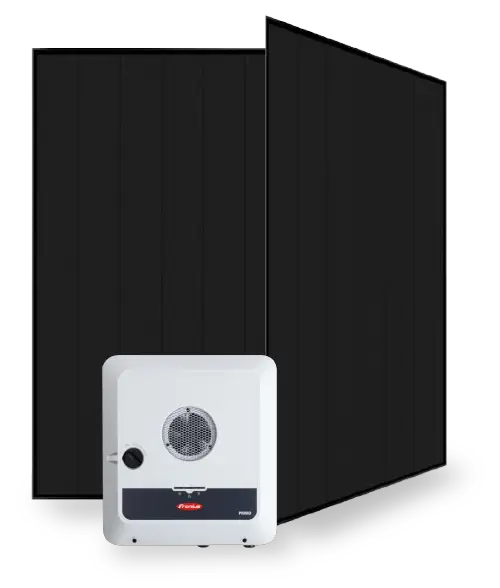
Premium Solar Technology

Premium Sunpower panels and Fronius inverter technology for customers looking for exceptional performance, reliability and long-term value.

Sunpower Solar Panels
SOLAR PANELS
01 PREMIUM BRAND

Sunpower

Sunpower is regarded as the world's leading solar cell & panel manufacturer. Outside US, it is formally known as Maxeon Technologies & proud of the longest warranty up to 40 years.

✓ Up to 40 Years Warranty
Fronius Solar Inverter
INVERTERS
02 PREMIUM BRAND

Fronius

Fronius is considered the world's leading string inverter manufacturer. The failure rate of Fronius Inverters is almost negligible.
✓ Industry-Leading Reliability
PREMIUM
Fronius GEN24 Primo 5.0 kW Single Phase Solar Inverter
SUNPOWER + FRONIUS
FRONIUS GEN24

Fronius GEN24 5.0 kW Single-Phase 2MPPT Inverter

✓

Can be converted to Hybrid version with a firmware update

✓

Can provide backup power up to 2.4 kW without a battery during the day

✓

5 Year Standard Warranty + 5 Year Parts Warranty

✓

Weight 15.4 Kg

✓

Active cooling technology

✓

Manufactured in Austria

✓

Remote monitoring available via Solar.web

✓

Max efficiency 97.2%

✓

Have a support office in Melbourne, Aus

☀
Sunpower Panels Performance Series
415 Watts All Black 25 Years Warranty
⚡
Fronius Inverter GEN24 Series
Primo 5.0 kW Single Phase 10 Years Warranty
BEST VALUE SOLAR PACKAGE

Smart Solar. Exceptional Value.

Jinko Solar panels and GoodWe inverter technology for customers looking for reliable performance, smart features and excellent value.

Jinko Solar Panels
SOLAR PANELS
01 VALUE BRAND

Jinko

Jinko Solar is the largest Chinese solar panel manufacturer by volume and produces a wide range of cost-effective and reliable panels. The Jinko engineers work closely with the Australian UNSW solar research center of excellence.

✓ 25 Years Product Warranty
GoodWe Solar Inverter
INVERTERS
02 VALUE BRAND

GoodWe

GoodWe, established in 2010, is a large, well-known Chinese inverter manufacturer that offers a vast range of cost-effective solar and hybrid inverters. Taking home top industry awards, GoodWe boasts the coveted title of 'Top Inverter Brand' for Australia and other countries in 2017 – 2021, awarded by EuPD Research.
✓ Award-Winning Value
BEST VALUE
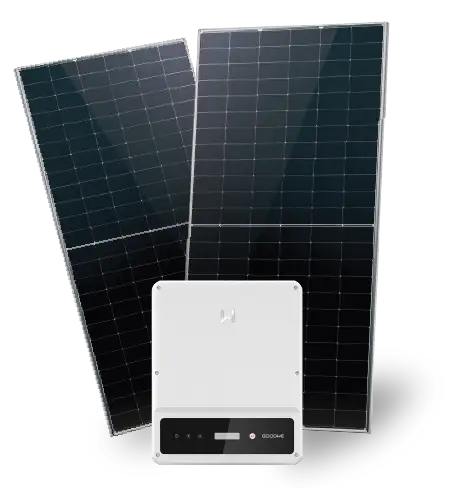
Jinko Tiger NEO 440 Watt Solar Panel and GoodWe Solar Inverter
JINKO + GOODWE
JINKO TIGER NEO

Jinko Tiger NEO 440 Watts Solar Panel + GoodWe DNS Series Inverter

✓

Can be converted to Hybrid version with a firmware update

✓

Can provide backup power up to 2.4 kW without a battery during the day

✓

5 Year Standard Warranty + 5 Year Parts Warranty

✓

Weight 15.4 Kg

✓

Active cooling technology

✓

Manufactured in Austria

✓

Remote monitoring available via Solar.web

✓

Max efficiency 97.2%

✓

Have a support office in Melbourne, Aus

☀
Jinko Panels Tiger Neo Series
440 Watts Tier 1 25 Years Warranty
⚡
GoodWe Inverter DNS Series
GW5000D-NS Single Phase 10 Years Warranty
BUDGET FRIENDLY SOLAR PACKAGE

Reliable Solar. Smart Investment.

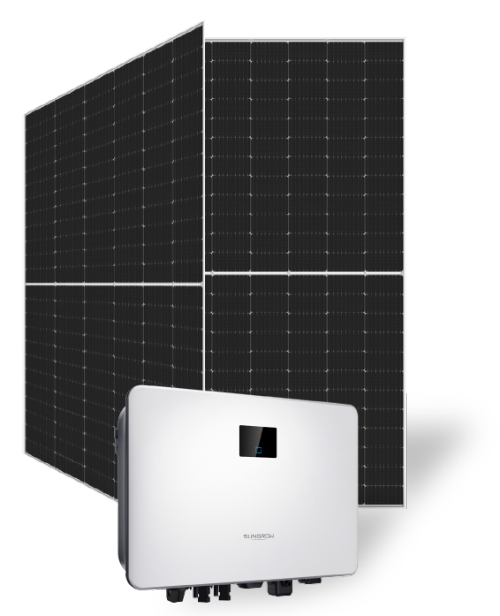
Reliable LONGi solar panels and Sungrow inverter technology, carefully selected to deliver excellent performance, efficiency and value for Australian homes.

LONGi Solar Panels
SOLAR PANELS
01 BUDGET FRIENDLY

LONGi Solar

LONGi Solar has grown rapidly over the last few years to become one of the largest Chinese solar panel manufacturers and the world's largest monocrystalline cell manufacturer. LONGi produces a wide range of cost-effective and reliable panels which only use monocrystalline cells.

✓ Reliable Monocrystalline Technology
Fronius Inverter
INVERTERS
02 BUDGET FRIENDLY

SUNGROW

Founded in 1997 by a university professor, Sungrow is one of the largest suppliers of solar inverters globally and a leading Chinese inverter manufacturer. It has been charted the number 1 inverter in Australia for last three years.
✓ Global Inverter Technology
PREMIUM
Fronius GEN24 Primo 5.0 kW Inverter and Sunpower Solar Panels
SUNPOWER + FRONIUS
FRONIUS GEN24

Fronius GEN24 Primo 5.0 kW Single-Phase 2MPPT Inverter

✓

Can be converted to Hybrid version with a firmware update

✓

Can provide backup power up to 2.4 kW without a battery during the day

✓

5 Year Standard Warranty + 5 Year Parts Warranty

✓

Weight 15.4 Kg

✓

Active cooling technology

✓

Manufactured in Austria

✓

Remote monitoring available via Solar.web

✓

Max efficiency 97.2%

✓

Have a support office in Melbourne, Aus

☀
Sunpower Panels Performance Series
415 Watts All Black 25 Years Warranty
⚡
Fronius Inverter GEN24 Series
Primo 5.0 kW Single Phase 10 Years Warranty
SOLAR EXPERT SUPPORT

Need Help Choosing?

Our solar experts can help you select the perfect 10kW package for your home based on your energy needs and budget.

SPEAK TO AN EXPERT →
Expert Advice Tailored to your home
✓ Energy Needs
✓ Your Budget
✓ Roof Space
Scroll to Top