GoodWe Home Batteries in Australia
Store Your Solar Energy. Power Your Home Smarter.
Make better use of the solar energy your panels generate with a GoodWe home battery. Store surplus solar electricity during the day and use that stored energy when your household needs it.
At Make My Solar, we help Australian homeowners explore GoodWe solar battery storage solutions, compare available battery capacities and understand which options may suit their household electricity usage.
Whether you're planning a new solar installation or adding a battery to a suitable existing system, we'll help you consider compatibility, battery capacity and backup requirements.
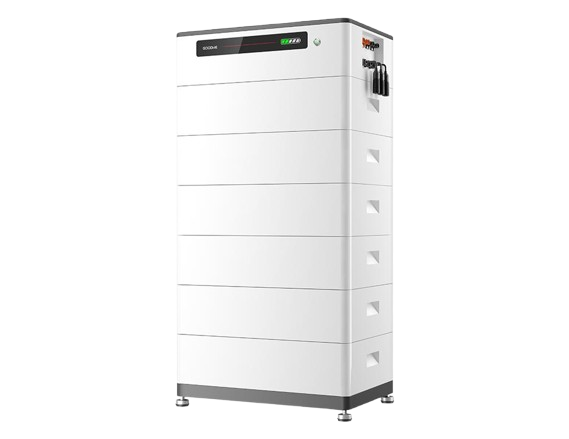
What Is a GoodWe Home Battery?
Your solar panels can produce more electricity during the day than your home needs at that moment. Instead of using all that energy immediately, a compatible home battery can store some of it for later.
When the sun goes down and your solar panels produce less electricity, you can use the energy stored in your battery to help power your home. This can reduce the amount of electricity you need to buy from the grid, depending on your energy usage and electricity plan.
Make more use of your solar energy. Store available solar power during the day and use it when your household needs it later.
From Sunshine to Evening Power
A simple look at how solar energy can move through your home, from daytime generation to battery storage and evening use.
Solar Panels
Generate electricity when sunlight is available.
Your Home
Solar power supplies household electricity needs.
Home Battery
Stores surplus solar energy for later use, when available.
Evening Use
Stored energy can help power lights and appliances after sunset.
Will a home battery save you money? Potential savings depend on your household's electricity usage, how much solar energy your system generates, your electricity tariffs, battery size and system configuration. A battery does not guarantee lower bills for every household, so it's important to assess your needs before choosing a system.
More Than a Battery.
A Complete Home Energy System.
GoodWe ESA combines the inverter, battery storage and energy management in one integrated solution. Explore the features, understand what they mean for your home, and compare the single-phase and three-phase options.
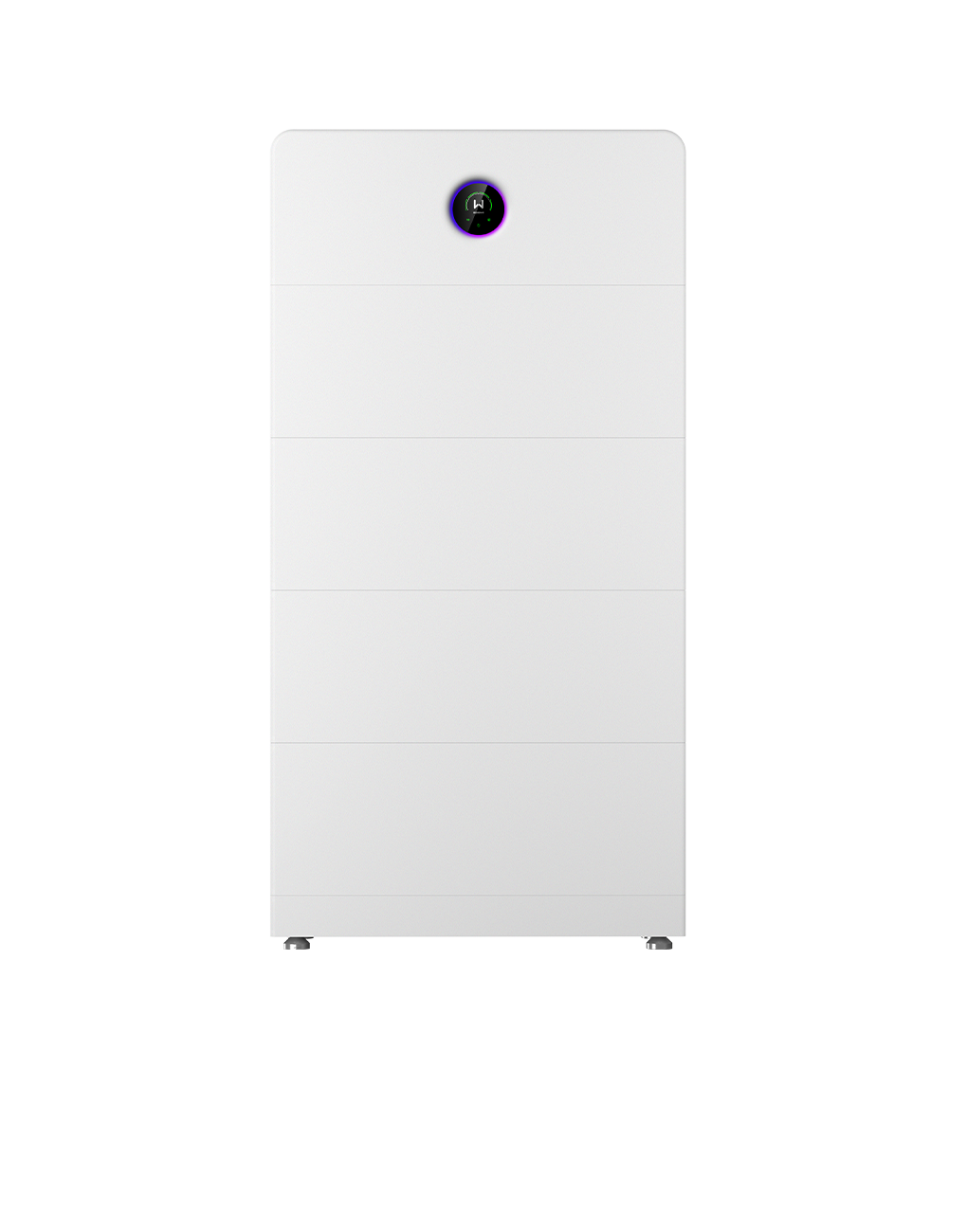
Your solar panels generate surplus electricity around midday. The ESA can store available energy in the battery, so you can use some of it later when cooking dinner or running household appliances. The amount of grid electricity you avoid buying depends on your generation, usage and battery settings.
GoodWe ESA 3–10 kW
The single-phase ESA is an integrated solar and battery solution for compatible homes. Its pre-wired design brings the inverter and battery together, while modular storage gives you flexibility when planning your energy needs.
Features and What They Mean for You
1. Integrated, Pre-Wired Design
GoodWe feature: The inverter and battery
are combined in a pre-wired, modular system.
Your benefit: The main components are
designed to work together, helping simplify installation
and commissioning compared with assembling separate components.
2. Modular and Expandable Battery Storage
GoodWe feature: The system supports modular
battery configurations, with compatible battery modules
and expansion options.
Your benefit: You can plan storage
around your current electricity use and discuss expansion
if your needs grow, such as adding an electric vehicle.
The supported capacity depends on the chosen configuration.
3. Up to 1C Charging and Discharging
GoodWe feature: Compatible ESA battery
configurations support a charge/discharge rate of up to 1C.
Your benefit: This allows rapid energy
cycling. For example, a battery with 10 kWh of usable
capacity operating at 1C could theoretically charge or
discharge at around 10 kW, subject to the actual battery,
inverter and operating limits.
4. Up to 200% PV Oversizing
GoodWe feature: Supported models allow
solar PV input sizing of up to 200% of the inverter's
rated power, within the model's electrical limits.
Your benefit: A suitably designed
solar array can be larger than the inverter's rated output,
helping capture more available sunlight during lower
production periods. The actual permitted array size must
be checked for the selected model.
5. Six-Layer Safety Protection
GoodWe feature: The ESA range specifies
multi-layer battery safety protection and AI-driven
AFCI 3.0 arc-fault protection.
Your benefit: Multiple protective
measures are designed to help detect or reduce electrical
and battery-related risks. Protection functions and
optional requirements should be confirmed for the model
being installed.
6. Backup Switching in Under 4 Milliseconds
GoodWe feature: GoodWe specifies seamless
backup switching in less than 4 ms for the ESA range.
Your benefit: If the grid fails, the
system is designed to switch to backup very quickly.
This can help keep supported loads running with minimal
interruption, although sensitive equipment and specific
loads should still be checked for compatibility.
7. Quiet, Fanless Operation
GoodWe feature: The single-phase ESA page
specifies a fanless design with noise below 30 dB.
Your benefit: Quiet operation can
make the system more suitable for residential settings
where equipment noise matters.
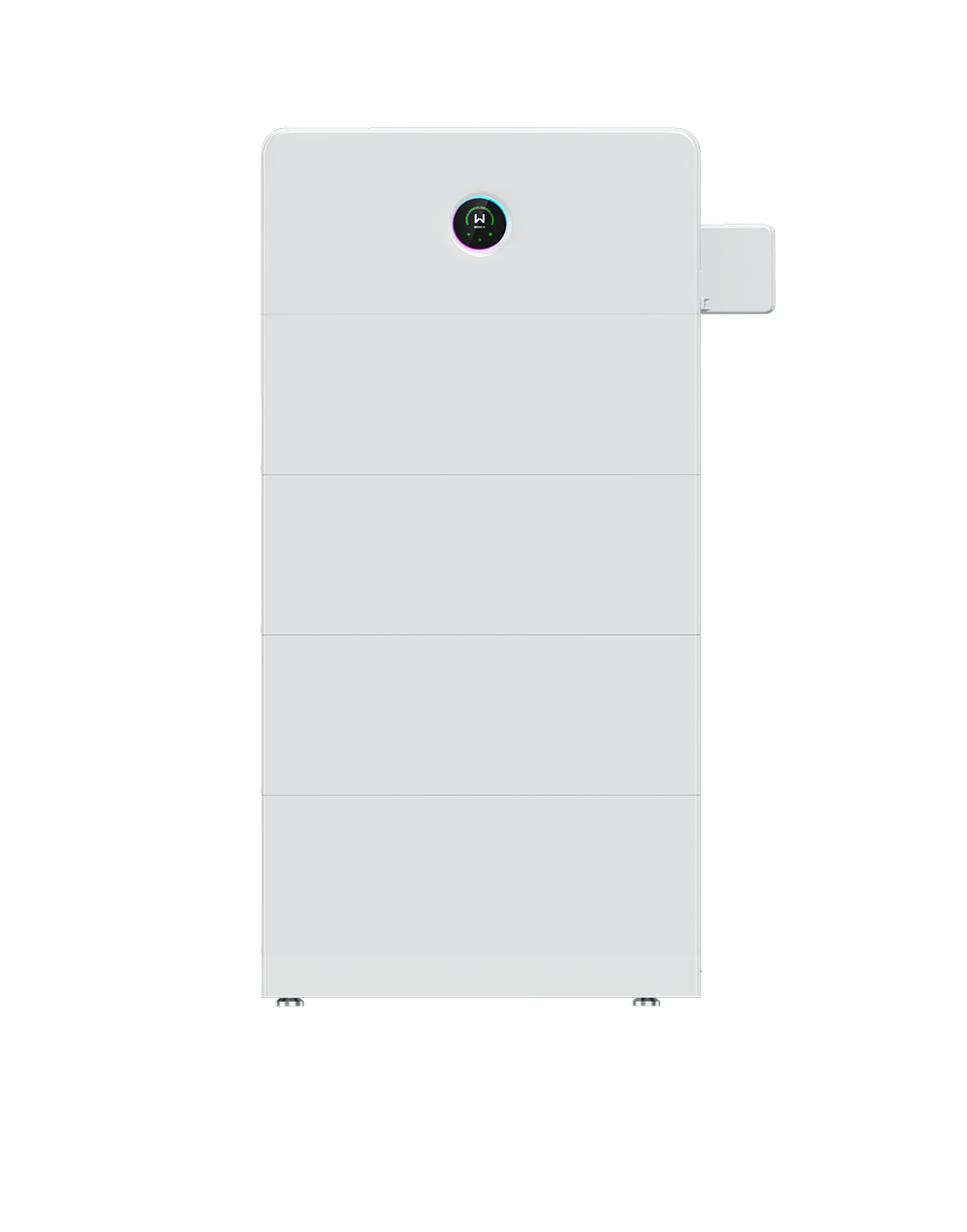
Consider a larger property with air conditioning, a pool pump, an electric vehicle and several appliances. A properly sized three-phase ESA system may provide more inverter power and storage options than a smaller setup. Your installer should calculate the actual loads and backup requirements before choosing the configuration.
GoodWe ESA 5–30 kW
The three-phase ESA is designed for compatible three-phase homes and small commercial properties with greater power or storage requirements. It combines the inverter, battery and energy management into an integrated system, with options to scale storage for a suitable installation.
Features and What They Mean for You
1. Three-Phase Power Options
GoodWe feature: The Australian three-phase
ESA range offers inverter options from 5 kW to 30 kW.
Your benefit: There are options for
properties that need more inverter power than a typical
smaller residential system. The correct size depends on
the property's electrical supply, solar array and loads.
2. Large, Expandable Battery Storage
GoodWe feature: The Australian product
information lists system configurations from 5 kWh up to
108 kWh, with capacity dependent on the chosen modules
and configuration.
Your benefit: More storage may be
appropriate for a property that uses more electricity
after sunset or wants to plan for future energy demand.
A larger battery is not automatically better; it should
match your actual usage and budget.
3. Up to 1C Charging and Discharging
GoodWe feature: The ESA range supports
charging and discharging rates of up to 1C, subject to
the selected battery and system limits.
Your benefit: A compatible battery
can move stored energy quickly when household demand
rises. For example, a 20 kWh battery operating at 1C
could theoretically deliver around 20 kW, but actual
output is limited by the inverter, battery configuration
and operating conditions.
4. Whole-Home Backup Design
GoodWe feature: GoodWe describes a
dual-port design for whole-home backup and backup
overload capability on supported models.
Your benefit: The system can be
designed to supply supported household circuits during
a grid outage, rather than limiting backup to only a
small group of appliances. The available power, phases
and supported loads must be checked for your specific
installation.
5. Flexible Battery Expansion
GoodWe feature: Compatible ESA
configurations support modular battery arrangements,
including mixing supported battery capacities and
old and new modules.
Your benefit: When energy needs
change, the system may be expandable without replacing
every existing battery module. Only combinations
approved by GoodWe for the selected model should be used.
6. Six-Layer Safety Protection
GoodWe feature: The ESA range includes
six-layer safety protection, with AI-driven AFCI 3.0
specified in the product information.
Your benefit: Multiple safety
measures are designed to help protect the battery
system and detect electrical risks. The functions
available on the selected model should be confirmed
before installation.
7. Heating Mode for Cold Conditions
GoodWe feature: GoodWe specifies a
battery heating mode for reliable performance in
temperatures as low as -20°C.
Your benefit: This is designed
to help the system operate in very cold conditions.
It is especially relevant for installations exposed
to low temperatures; actual operating limits depend
on the model and conditions.
8. On-Grid and Off-Grid Parallel Operation
GoodWe feature: Supported three-phase
ESA configurations specify on-grid and off-grid parallel
operation.
Your benefit: Approved systems can
be designed for larger or more complex energy needs.
Parallel operation requires the correct compatible
equipment and system design; it is not an automatic
feature of every installation.
Choosing a battery starts with your home.
Your electricity usage, solar generation, available roof space, electrical supply and backup requirements all affect which GoodWe ESA configuration is suitable. We recommend sizing the system around your real energy needs rather than simply choosing the largest battery.
Technical specifications and available configurations vary by model and may change. Battery capacities, maximum power, PV input limits, backup functions and module compatibility must be verified against the latest Australian datasheet and GoodWe compatibility information. Backup capability depends on correct system design and installation. Battery storage does not guarantee bill savings; results depend on solar production, household consumption, electricity tariffs and system settings.
Which GoodWe Battery Size Is Right for Your Home?
The right battery size depends on how much electricity your home uses after sunset, how much surplus solar energy you generate during the day, and whether you want backup power. Make My Solar can help you compare suitable GoodWe ESA options based on your electricity bill and existing solar system.
Start with your evening electricity use, not just your total daily consumption. Your solar panels may power the house directly during the day, so the battery usually needs to cover only the portion of energy you want to store for later. These three ranges are starting points for comparison, not guaranteed recommendations or exact GoodWe model sizes.
A Smaller Storage Setup
A possible starting point for households with modest evening energy needs and a solar system that regularly generates surplus electricity during the day.
You mainly need to cover lights, television, fridge, internet and a few everyday appliances after sunset. Heavy appliances may still require grid power.
May suit homes that:
- ✓Use relatively little electricity in the evening.
- ✓Have enough daytime solar surplus to charge the battery.
- ✓Want to begin with a smaller storage investment.
Is 5–10 kWh enough?
We check whether a smaller battery can cover the energy you actually want to use after sunset.
- ✓Your typical evening and overnight consumption in kWh.
- ✓How much solar energy is left over to charge the battery.
- ✓Which appliances you want to run during a power outage.
- ✓The usable capacity of the compatible GoodWe ESA configuration.
More Evening Energy
A possible starting point for households with greater evening consumption or enough daytime solar generation to fill a larger battery regularly.
Your family cooks dinner, runs several appliances and may use air conditioning or electric hot water after the sun goes down.
May suit homes that:
- ✓Use more electricity after sunset.
- ✓Generate enough excess solar to charge more storage.
- ✓Want to offset a greater share of evening grid imports.
Will you use the extra capacity?
A larger battery is useful only when your household can charge and use the additional energy effectively.
- ✓Your interval-meter data or evening usage estimates.
- ✓Seasonal solar production and surplus generation.
- ✓Electricity tariffs, feed-in credits and time-of-use rates.
- ✓Whether the extra storage can be charged often enough to justify its cost.
Higher Storage Needs
A possible starting point for larger homes or properties with high evening demand, provided the solar generation and system design can support the chosen storage capacity.
Your home has several air conditioners, a pool pump, an electric vehicle or other energy-intensive loads that increase electricity use outside solar hours.
May suit homes that:
- ✓Have high evening and overnight energy demand.
- ✓Have sufficient solar generation or another suitable charging plan.
- ✓Need more stored energy or are planning future electrification.
Can your system support a larger battery?
We assess both how much energy you need and whether the system can charge and deliver it as required.
- ✓Daily and seasonal consumption, including EV charging and pool equipment.
- ✓Solar array size, daytime surplus and winter production.
- ✓Required backup loads and the inverter's power limits.
- ✓Compatible GoodWe ESA modules, expansion limits, available space and budget.
How much energy does your battery need to deliver?
Suppose your home uses 12 kWh between sunset and the following morning, and you want the battery to supply all of it. The required stored energy will be higher than 12 kWh because some energy is lost during charging and discharging. The calculation below is an illustration, not a final system recommendation.
This assumes 90% of the energy entering the battery is available for the intended use. It excludes additional design allowance, reserve settings, output-power limits and other system-specific losses. Actual sizing must use the selected GoodWe battery's usable capacity and specifications.
What Determines Your Ideal Battery Size?
We look beyond the size of your electricity bill to understand when you use energy, how much solar you can store and what you want the battery to achieve.
Evening Consumption
Your electricity use after sunset, ideally from smart-meter interval data rather than a monthly bill alone.
Available Solar Surplus
How much electricity your panels produce beyond what your home uses during the day, including seasonal changes.
Outage Requirements
Which appliances you want to keep running, their combined power demand and how long you need backup to last.
Future Energy Needs
Plans for an EV, electric hot water, air conditioning or other changes that could increase your electricity use.
Let's find the right GoodWe ESA configuration.
Share your electricity bill and details of your current or planned solar system. Make My Solar can assess suitable capacity options for your home.
Capacity bands shown above are general educational guides, not guaranteed recommendations or exact GoodWe ESA configurations. GoodWe's Australian ESA range uses different battery modules and configuration limits across single-phase and three-phase systems. Nominal capacity and usable capacity are not the same. Final sizing depends on the latest Australian datasheet, compatible module combinations, solar generation, energy consumption, backup needs, inverter power limits and installation design. Battery savings cannot be guaranteed.
Benefits of a GoodWe ESA Battery
A home battery helps you make better use of your solar energy, monitor your system and prepare for changing energy needs. Discover the practical benefits of the GoodWe ESA integrated solar and storage solution.
Make More Use of Solar Energy
Store suitable surplus daytime solar generation in your battery and use that energy later, when your panels produce less. This can reduce your reliance on grid electricity during the evening.
Choose Capacity for Your Home
GoodWe ESA offers different inverter and battery configurations. Matching usable battery capacity to your evening consumption and available solar surplus helps avoid paying for storage you may not regularly use.
Modular Storage Options
Compatible ESA battery modules can be combined into approved configurations. The single-phase range supports 5 kWh and 8 kWh modules; the three-phase range has its own supported module combinations and expansion limits.
Monitor Your Energy System
GoodWe's SEMS+ monitoring platform lets owners view supported system data, including solar generation, battery status and energy flows. Available readings depend on installed equipment, meter configuration and system compatibility.
Backup Power Options
Supported ESA configurations can provide backup during a grid outage. The single-phase range specifies 63A full-home backup, while three-phase backup depends on the selected model and installation design.
Guidance for Your Property
Make My Solar can help compare suitable ESA options using your electricity usage, existing solar system, phase supply, backup requirements, future energy plans and budget.
Not sure which GoodWe ESA battery suits your home? Make My Solar can assess your existing system, energy usage and backup needs to recommend a suitable configuration.
Features and specifications vary between GoodWe ESA models. Battery expansion, monitoring data and backup capability depend on compatible equipment, approved configurations and installation design. Energy-bill savings are not guaranteed and depend on solar generation, household consumption, tariffs and system settings.
How Much Does a GoodWe Battery Cost?
The cost depends on your chosen battery family, storage capacity, inverter requirements and the work needed at your property. A battery added to existing solar may need a different setup from a new solar-and-battery installation.
Your quote may be affected by:
Battery capacity and model — GoodWe ESA modules range from 5kWh to 8kWh, with system sizes typically between 8kWh and 50kWh.
Existing inverter compatibility — If you already have a compatible GoodWe inverter, you may avoid replacement costs of $1,500–$2,500.
Switchboard upgrades or additional electrical work — Older switchboards or complex wiring can add $300–$1,500 to the installation.
Backup power requirements — Full-home backup or essential-circuit backup may require additional switchboard work and load assessment.
Installation complexity and equipment location — Two-storey homes, long cable runs, difficult access and outdoor enclosures all affect labour costs.
Government incentives — The federal Cheaper Home Batteries Program applies to eligible systems, with the rebate rate tiered by capacity.
Indicative Market Range
Across Australia, GoodWe battery systems installed in 2026 typically fall within these general ranges after the federal rebate. Your actual quote depends on the factors listed here.
Ranges are indicative only and reflect installed costs after the federal rebate for standard single-phase installations. Your property, switchboard, backup needs and installer will determine your actual price.
Get a tailored quote from Make My Solar
Rather than relying on a generic online price, we assess your property, existing equipment and backup needs before recommending a system. This means you get an accurate quote that reflects your actual situation.
Prices shown are indicative market ranges based on publicly available Australian installer data and are not a quote from Make My Solar. Your final price depends on your property, chosen system, installer assessment and current incentive eligibility. We recommend obtaining a written quote that clearly states what is included.
Can You Get a Rebate on a GoodWe Battery?
Eligible home battery installations may receive support through the Australian Government’s Cheaper Home Batteries Program. Your potential discount depends on the approved equipment, usable battery capacity, installation date and program requirements.
Understand your potential battery discount
The program provides an incentive through small-scale technology certificates (STCs). For eligible installations, the benefit is generally reflected in the upfront price offered by a participating retailer or installer.
Make My Solar can help you identify the GoodWe system details that need to be checked before a quote is finalised. Eligibility must be confirmed for the exact battery and inverter combination.
Approximate discount on eligible upfront installation costs described by the Australian Government. This is not a guaranteed discount or a fixed GoodWe rebate.
This is the general eligible battery-system size range under the program, subject to all other requirements.
STCs are calculated on no more than the first 50 kWh of eligible usable battery capacity. Capacity tiers apply.
The applicable STC factor depends on when the battery is installed. The factor changed on 1 May 2026 and is scheduled to reduce over time.
Important: A GoodWe product is not automatically eligible just because it is a battery system. The battery and inverter must meet the applicable approved-product requirements, and installation must comply with program rules and relevant electrical safety requirements. The final discount must be confirmed for your proposed system.
Planning a GoodWe battery installation?
Request a quote so the proposed system and potential incentive can be checked before you make a decision.
Program information checked against Australian Government guidance available in October 2026. Incentives, certificate calculations and eligibility requirements may change. Any discount is subject to confirmation and must not be treated as a guaranteed saving.
Monitor and Look After Your GoodWe Battery
Your GoodWe system is easier to manage when you can check its performance, understand its warranty and know what to do if an issue appears. Here is how to get started and where to find help.
Monitor Your System Online
Review solar generation, household energy use and battery information where supported by your installed system.
SEMS+ app
GoodWe's current monitoring platform for viewing supported system data, performance charts and device information. Access depends on equipment compatibility and account setup.
SEMS Portal
Some installed systems use the SEMS Portal app or web portal. Follow the platform specified by your installer and equipment documentation.
SolarGo
Certain newer communication modules use SolarGo for local configuration, often through Bluetooth. It is not the same process as every older Wi-Fi module.
Wi-Fi setup: connect a compatible inverter to your home router
Prepare your phone
Stand near the inverter. Turn your phone's mobile data off and Wi-Fi on so it can connect directly to the inverter's local wireless network.
Connect to the inverter Wi-Fi
In your phone's Wi-Fi settings, look for Solar-WiFiXXXXXXXX. The final eight characters normally match the last eight digits of the inverter serial number. The documented default password is 12345678 for the compatible module types described in GoodWe's guide.
A “No internet” warning is normal at this stage. You are connected to the inverter, not yet to your router.
Open the SEMS configuration screen
Open the compatible SEMS app and choose Network Link. Under the WLAN page, select Search Device and choose your inverter when it appears. Stay close to the equipment.
Select your home network
Choose WLAN/LAN, select your home router's Wi-Fi name and enter its password carefully. Passwords are case-sensitive. GoodWe's guide also specifies that DHCP should be enabled on the router.
Finish and allow the connection to establish
Follow the confirmation prompts in the app. Return your phone to the home network, ensure the router has internet access and allow time for the inverter to reconnect.
Sign in and view your system
Sign in to your GoodWe monitoring account. If your plant has not been registered or shared with you, ask your installer to complete the monitoring account and plant-ownership setup.
GoodWe Monitoring Troubleshooting
Check that the correct Wi-Fi module or antenna is fitted and the inverter is powered. Move closer and search again. If it remains missing, follow the model-specific Wi-Fi reload instructions or contact your installer.
Check the router name and password, keep your phone close to the inverter, and verify the required network settings. For supported systems, GoodWe recommends staying within about 3 metres during setup.
Check that the home internet works. A router replacement, weak signal, unstable connection or router MAC filtering can stop monitoring data from reaching the platform.
Check the inverter's communication indicator and wait for it to reconnect. If it stays offline, follow GoodWe's official reset/reload guidance for your exact module. A reload can erase saved network settings.
Confirm you are signed in to the correct account and that the plant has been registered or shared with you. Ask the installer to verify the plant setup if necessary.
A monitoring connection fault does not necessarily mean solar generation has stopped. Check the inverter's operating indicators and contact your installer if there is a system fault or performance concern.
Understand Your GoodWe Warranty
Use the warranty document that matches the exact product installed at your property.
Warranty terms depend on your model
GoodWe publishes separate warranty documents for different battery and inverter product families. Check your model number, applicable warranty document, coverage conditions, exclusions and claim process. Keep your purchase documents and installation records for reference.
Maintenance, Care and Support
Follow the manufacturer's instructions and respond promptly to warning messages or unexpected behaviour.
Keep the area clear
Keep the battery and inverter area clean, unobstructed and within the environmental conditions specified in the product manual. Do not cover ventilation openings.
Check monitoring regularly
Review available system data and notifications. If readings disappear, a device goes offline or performance changes unexpectedly, record what you see before seeking support.
Report faults safely
Record the error message or code, note when it occurred and take a screenshot if available. Contact your installer or the appropriate GoodWe support team for diagnosis.
Get Your GoodWe Battery Quote
Tell us about your home and energy needs. Our team will help you explore a suitable GoodWe battery configuration for your home and energy needs.